Made-to-Order Craftsmanship · Flexible Sizing · Nationwide Delivery Across Indonesia
0%

An upholstered headboard can make a bedroom feel softer before you even climb into bed. Fabric cushions the wall behind your pillows, while color and texture give the room a clear focal point. But comfort depends on more than a plush-looking surface. Padding, frame construction, height, and fabric care all matter.

This guide looks at 10 upholstered headboards for different rooms, budgets, and decorating styles. It considers practical details such as tufting that may collect dust, pale fabric that can show marks, and mounting systems that need a secure fit. The aim is to help you compare useful features, not just attractive product photos. Small details count.

Interior designer Nate Berkus has said, “Your home should tell the story of who you are, and be a collection of what you love brought together under one roof.” That idea suits upholstered headboards: the right choice should work with your habits as well as your decor. A tall, padded design may feel inviting for reading, while a simple, low-profile style can suit a compact room. Still, softness can hide compromises. Some fabrics need more care, and extra padding does not always mean better support. Use these picks as a starting point, then check dimensions, materials, and care instructions before choosing. A beautiful headboard should feel right on an ordinary Tuesday, too.
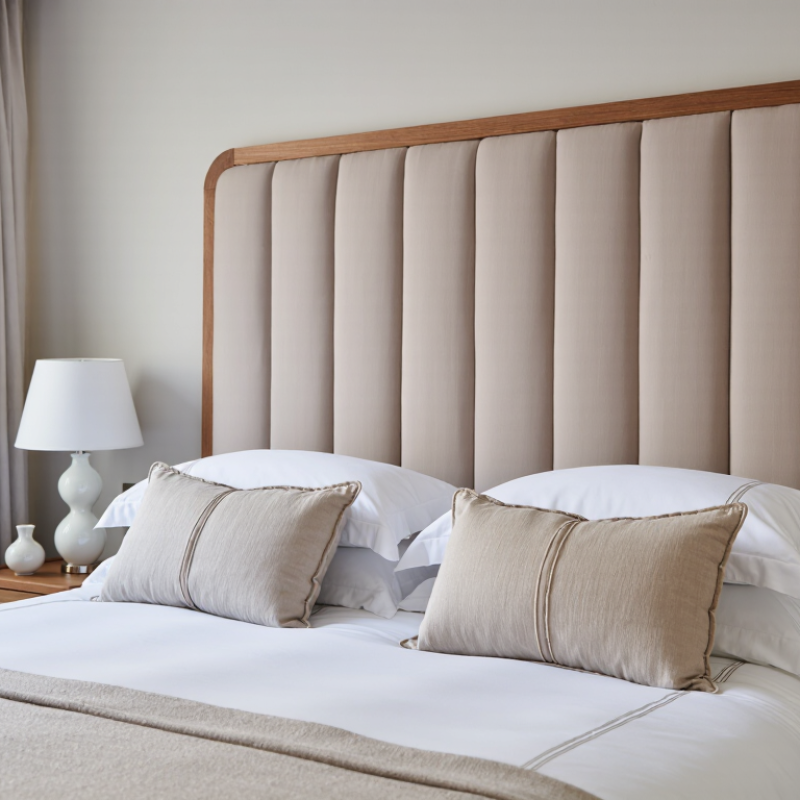
10 Best Upholstered Headboards for Comfort and Style

What Upholstered Headboards Are and How They Function

An upholstered headboard is a padded panel fitted behind a bed, usually covered with fabric, leather, or a similar material. Its core may be wood or engineered board, with foam and batting beneath the outer cover. Together, these layers soften the hard surface behind your pillows. The result can make sitting up to read or work more comfortable. Small detail, real difference. A headboard may also reduce scuffs on the wall, though it does not replace a proper bed frame or secure mounting.

Upholstered headboards attach in different ways: some bolt to a compatible bed frame, while others mount directly to the wall or stand on the floor. Check the installation instructions and measure the bed before choosing one; attachment points and height vary. For comfort, look at padding depth and the firmness of the panel, not just its appearance. A tall, tufted design may feel plush, but buttons and seams can collect dust. Fabric can also show wear where pillows rub. Regular vacuuming with an upholstery attachment helps, but cleaning needs depend on the material. One thing is easy to overlook: the headboard’s soft surface can feel less supportive than a firm wall when you sit upright for a long time.

Common Upholstery Materials and Construction Methods

Upholstered headboards typically combine a fabric cover, batting, foam, and a wood-based frame. Common cover materials include linen, cotton, polyester, velvet, and blended fabrics. Textile Exchange’s Materials Market Report 2024 estimates polyester made up 57% of global fiber production in 2023. That figure covers all fiber markets, not headboard fabrics specifically, but it helps explain polyester’s broad availability. Touch matters. Feel the fabric’s texture and inspect its seams; a soft surface can still snag or show wear quickly.

Construction affects both comfort and upkeep. A rigid plywood or hardwood frame helps the headboard hold its shape, while foam and batting soften the contact surface. Tufting adds depth, but its buttons and stitched indentations can collect dust. Channel designs avoid buttons, though their seams still need careful cleaning. Foam density and thickness vary, so ask what sits beneath the fabric rather than judging by appearance alone. ASTM D4157 provides a recognized method for testing textile abrasion resistance, but test results do not perfectly predict years of household use. I would treat them as one clue, not a promise. A removable cover can simplify cleaning, yet not every design allows one.

Popular Styles, Shapes, and Design Features

Upholstered headboards vary widely in shape, and that outline changes how a bedroom feels. A rectangular panel creates a clean, tailored look, while a curved top softens angular furniture. Wingback sides add a sheltered feel and can help frame the bed, but they may crowd a narrow room. That trade-off is easy to miss. A gently arched silhouette often feels less imposing without losing visual presence. Low-profile designs suit rooms with sloped ceilings or bold artwork above the bed.

Fabric and construction matter as much as shape. Linen-like weaves bring a relaxed texture, while velvet adds depth and catches light differently throughout the day. Consider how the fabric will handle daily contact, pets, or occasional spills; pale, nubby materials can be less forgiving than their showroom appearance suggests. Check that the padding feels even across the panel, with no hard spots near the edges. A padded surface should feel comfortable when you sit up to read. Small details count. Button tufting adds dimension, while channel stitching gives a more linear finish. Before choosing, measure the wall and bed frame, then confirm how the headboard attaches. I once underestimated how much visual space a tall panel takes up. The room felt tighter than expected.

10 Best Upholstered Headboards for Comfort and Style - Popular Styles, Shapes, and Design Features

Style Shape and Design Features Common Upholstery Typical Bed Size Match Comfort and Practicality Works Well With
1. Classic Wingback Tall, padded center with side panels that angle or curve forward. Woven fabric, linen-look polyester, velvet Twin through king; select a width made for the mattress size. Side wings create a more enclosed look and can help make a reading area feel cozy. Traditional, transitional, and cottage-style bedrooms
2. Button-Tufted Evenly spaced fabric-covered buttons form a repeating pattern across the padded face. Velvet, polyester blends, linen-look fabric Commonly offered for full, queen, and king beds. Soft padding offers a comfortable surface to lean against; button detailing adds texture. Classic, glam, and layered bedding schemes
3. Channel-Tufted Parallel padded channels run vertically or horizontally across the headboard. Velvet, chenille, woven polyester Available in several bed widths; check the channel orientation and overall height. Broad padded sections provide a cushioned backrest with a clean, structured appearance. Modern, art-deco-inspired, and contemporary rooms
4. Scalloped Curved, shell-like upper edge with a softly shaped outline. Velvet, cotton blends, linen-look fabric Often suited to twin, full, or queen beds; confirm the headboard width. The padded surface adds comfort while the curved silhouette serves as a decorative focal point. Romantic, vintage-inspired, and playful interiors
5. Arched A gently rounded top rises above the center, sometimes with a simple upholstered panel. Linen-look fabric, cotton blends, velvet Commonly made for full, queen, and king beds. A simple, padded profile offers back support without prominent wings or deep tufting. Soft contemporary, minimalist, and transitional rooms
6. Square-Panel Upholstered rectangular panels create a neat grid or broad geometric pattern. Woven polyester, chenille, linen-look fabric Available across standard bed sizes; panel proportions vary by width. Structured padding provides a comfortable backrest and a tailored, orderly look. Modern, contemporary, and understated bedrooms
7. Nailhead-Trimmed Decorative metal studs trace the border or outline the wings of an upholstered headboard. Linen-look fabric, velvet, leather-look upholstery Commonly offered in queen and king, with some smaller sizes available. The trim is decorative rather than padded; comfort depends on the cushioning beneath the upholstery. Traditional, industrial, and tailored interiors
8. Low-Profile Upholstered Panel Simple, relatively short rectangular shape with minimal ornamentation. Woven fabric, cotton blends, performance polyester Can be matched to twin, full, queen, or king mattress widths. Provides a soft backrest while keeping the wall and bedding visually open. Small rooms, minimalist spaces, and low-profile beds
9. Tall Statement Headboard Extended vertical panel, often with a straight, arched, or subtly curved top. Velvet, chenille, woven polyester Most often used with queen or king beds; check ceiling height and installation requirements. Offers a larger padded area for sitting up and creates a strong visual focal point. Rooms with high ceilings and layered, hotel-inspired bedding
10. Adjustable Upholstered Headboard Height-adjustable design with a padded panel and mounting hardware or bed-frame brackets. Woven fabric, polyester blends, leather-look upholstery Compatibility depends on the mounting system and bed-frame width. Height adjustment can help align the headboard with different mattress and base combinations. Flexible bedroom layouts and beds with changing mattress heights

Sizing note: Standard mattress widths are approximately 38 in (Twin), 54 in (Full), 60 in (Queen), and 76 in (King). Headboard widths and mounting requirements vary, so check the listed measurements and frame compatibility before choosing.

How to Compare Comfort, Durability, and Bed Compatibility

A headboard can look plush in a photo and feel surprisingly firm in person. Compare the padding, not just the fabric: press near the center and edges, where thinner foam may expose a hard frame. A gently padded panel can soften reading in bed, while deep tufting may feel uneven against your shoulders. I still find appearance easier to judge than support. Sit against a floor model for several minutes, if possible.

Durability needs more than a fabric label. ACT’s Upholstery Fabric Performance Guidelines use 30,000 Wyzenbeek double rubs as a heavy-duty benchmark for woven upholstery; abrasion results alone do not predict real-world lifespan. Check seams, button attachment, and whether the cover can be cleaned safely. For fit, measure the frame’s width and mounting-hole spacing, then compare them with the headboard’s brackets. The International Sleep Products Association lists a standard queen mattress as 60 by 80 inches, but frames and headboards can vary. Measure yours. A few inches matter. Also check wall clearance, adjustable-bed movement, and whether the headboard mounts to the frame or wall. A beautiful mismatch is still a mismatch.

Ten Best Upholstered Headboards for Comfort and Style

The ten best upholstered headboards for comfort and style are not one-size-fits-all. A channel-tufted design gives a room clean vertical lines, while button tufting feels more traditional. A wingback headboard creates a cozy reading nook. Low-profile padded panels suit smaller rooms, and tall panels add drama to high ceilings. Curved silhouettes soften angular furniture. Linen-look upholstery feels relaxed; velvet adds depth but can show lint. Performance fabric may be easier to clean, while textured boucle brings warmth. An adjustable headboard offers flexibility when bed height changes. Each has a different feel.

Comfort depends on more than appearance. If you read in bed, check that the padding is deep enough to cushion your shoulders, and sit against it before buying when possible. A firm frame matters, too; soft upholstery cannot compensate for a headboard that shifts or rattles. Measure the bed and wall first. Tall styles can crowd a narrow room, and pale fabric may need frequent care. Small details count.

There is no perfect choice. I would favor durable fabric and supportive padding over dramatic tufting, though that preference may not suit every bedroom. Check cleaning instructions, attachment hardware, and the headboard’s height against your mattress. A few minutes with a tape measure can prevent an awkward fit. Comfort should last beyond the first impression.

FAQS

What is an upholstered headboard?

It is a padded panel behind a bed, usually covered with fabric or a similar material. Soft against pillows.

What materials are typically inside?

Many have a wood or engineered-board core, with foam and batting under the outer cover. Construction varies.

Can it make sitting up in bed more comfortable?

Yes, gentle padding can soften the surface while you read. Deep tufting may feel uneven against your shoulders, though.

How can I check comfort before buying?

Press the center and edges, then sit against it for several minutes if possible. Photos can fool me.

How do I know if it will fit my bed?

Measure the frame width and mounting-hole spacing. Check the headboard brackets, wall clearance, and any adjustable-bed movement.

What attachment options are common?

Some headboards bolt to a bed frame. Others mount to a wall or stand on the floor. Check the instructions.

What should I check for durability?

Inspect seams, buttons, and cleaning guidance. A heavy-duty abrasion result, such as 30,000 double rubs, does not guarantee lifespan.

How should I care for the fabric?

Vacuum with an upholstery attachment, especially around seams and buttons. Cleaning needs depend on the material; I might overlook that.

Conclusion

Upholstered Headboards add a soft, supportive backdrop to a bed while bringing warmth and visual character to a bedroom. Their padded surfaces are typically covered in fabrics such as cotton, linen, velvet, or synthetic blends, with construction that may include foam cushioning, a sturdy frame, and carefully finished seams. From clean, simple panels to tufted designs, curved silhouettes, and decorative details, the range of styles makes it easy to suit different rooms and preferences.

Choosing the right headboard involves more than appearance. Compare the cushioning and cover materials for comfort and durability, and consider how the headboard will be cleaned and maintained. Check its size, height, mounting method, and compatibility with your bed frame before buying. This guide explores ten appealing options and explains how their materials, designs, comfort, and practical features can help you find a headboard that balances everyday support with lasting style.

Seraphina

Seraphina

Seraphina is a seasoned marketing professional dedicated to helping businesses better understand the value, applications, and benefits of our products. With a strong background in market research, content strategy, customer communication, and industry analysis, she combines creativity with......