How to Choose the Best Solid Wood Dining Tables?
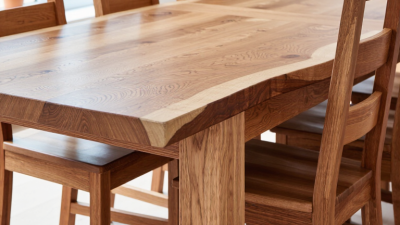
Choosing the right Solid Wood Dining Tables involves more than comparing colors and prices. A beautiful table must also support daily meals, homework, celebrations, and unexpected spills. Oak, walnut, maple, and rubberwood each offer different grain patterns, hardness, weight, and maintenance needs. Understanding these differences helps buyers make a confident, practical decision.
A reliable evaluation starts with the wood’s origin, construction, and finish. Look for clear information about solid wood content, moisture control, and responsible sourcing. Examine the tabletop closely. Visible grain should feel natural, not printed or overly uniform. Traditional joinery, such as mortise-and-tenon connections or sturdy corner blocks, can improve long-term stability. The table should not wobble when gently pushed. Small details matter.
Room size also deserves careful attention. Leave enough space for chairs and comfortable movement around the table. A 72-inch table may seat six people, but bulky chairs can reduce that capacity. Measure doorways, staircases, and dining areas before ordering. This step seems obvious. It is often missed.
This guide compares materials, dimensions, finishes, construction methods, and care requirements. It also considers real household conditions, including children, pets, humidity, and frequent use. Some advice may not fit every home, and no table remains perfect forever. Wood can develop marks, color changes, or seasonal movement. Those changes are not always defects. They can reflect genuine material behavior.
By weighing verified specifications against personal habits, shoppers can avoid attractive but unsuitable choices. The best table is not necessarily the heaviest or most expensive. It is the one that combines dependable construction, suitable proportions, honest materials, and lasting everyday value.
Read more »
 By:Elara
- September 20, 2026
By:Elara
- September 20, 2026
 By:Aurora
- September 20, 2026
By:Aurora
- September 20, 2026