Choosing the right Modern Accent Side Tables can change how a room feels, functions, and flows. These small pieces often sit beside sofas, reading chairs, or beds, so their scale matters more than many homeowners expect. Measure the available width, depth, and walking space before browsing styles. A table that looks elegant online may block a drawer or crowd a narrow passage.
Begin with the room’s daily habits. A living room table should hold a lamp, a book, or a coffee cup without wobbling. For bedrooms, consider a drawer, charging access, and a surface that is easy to clean. Solid wood offers warmth and strength, while metal and glass create a lighter visual effect. Check the joinery, finish, weight, and edge treatment. These details reveal more than a beautiful photograph.
I once chose a table that matched my sofa perfectly. It still felt wrong. The top was too low, and the sharp corner caught clothing. That mistake changed how I assess furniture. Style should support comfort, not compete with it. Color also deserves careful attention. Warm oak may soften a cool gray room, while black metal can sharpen a relaxed space. Sample materials under daylight when possible. Online colors can mislead.
This guide explores proportion, placement, materials, durability, and personal style. It also questions popular choices when they are impractical. Good design is not only attractive. It should remain useful after the first impression fades.
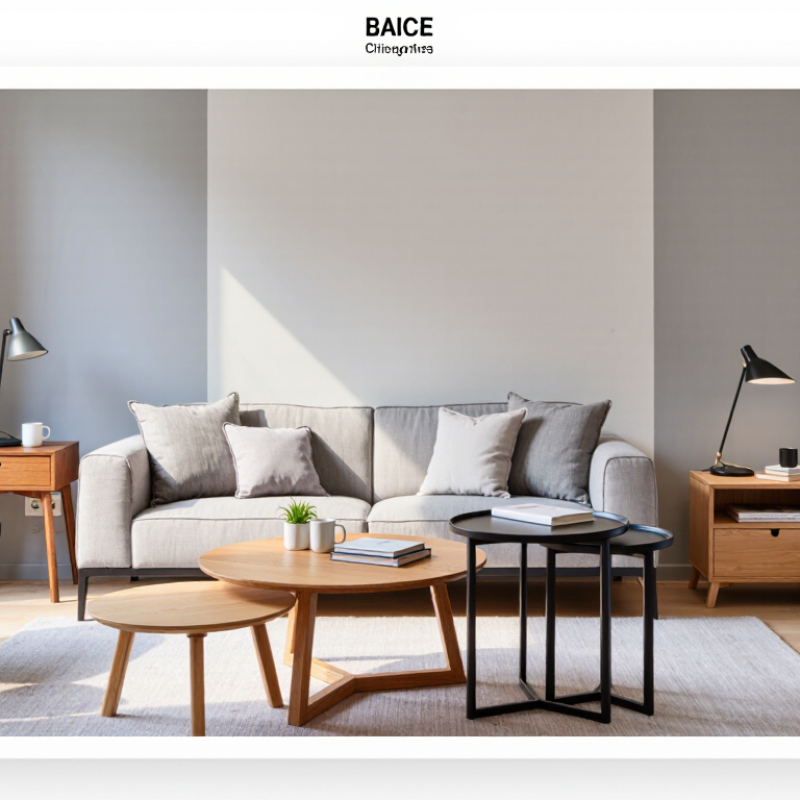
Define the Purpose of a Modern Accent Side Table
How to Choose Modern Accent Side Tables for Your Home?
A modern accent side table should solve a clear problem in your room. It may hold a reading lamp, a drink, or your phone. In a narrow hallway, it can display flowers without blocking movement. Beside a sofa, choose a height close to the armrest. This keeps books and glasses within easy reach. Measure the available space before shopping. Leave enough room for walking and cleaning. A beautiful table becomes frustrating when its legs catch on the rug.
Tips: Write down the table’s main purpose. Check its height, width, weight, and surface finish. Test whether it stays stable when touched. Rounded corners work well in busy homes. A drawer can hide chargers and remote controls. Open shelves offer faster access but collect dust.
From my experience arranging compact living rooms, function should guide the table’s shape. A slim pedestal table suits a tight corner. A wider table supports a lamp and a small tray. Glass can make a room feel larger, but fingerprints appear quickly. Wood feels warmer, though some finishes mark easily. I once chose a table that looked perfect beside a chair. It was too light for daily use and moved whenever someone reached for a book. That mistake taught me to consider real habits, not only photographs. Check the table at sitting height. Imagine the morning coffee. Then imagine the evening clutter.
Measure Your Space and Plan the Table’s Placement
How to Choose Modern Accent Side Tables for Your Home?
Measure the space before choosing an accent side table. Record the sofa height, available floor width, and walking route. The National Kitchen & Bath Association’s planning guidelines recommend about 36 inches for comfortable walkways. In tighter rooms, keep at least 30 inches where possible. Leave 18 to 24 inches between the table and seating. This keeps drinks nearby without creating a cramped visual line.
Place the tabletop close to the sofa arm, ideally within two inches of its height. A table that is too low forces awkward reaching. A tall table can block lamps, views, or conversation. Mark the proposed footprint with painter’s tape for one full day. Walk around it with a laundry basket or vacuum. It sounds excessive. It reveals problems.
Use the room’s real traffic pattern, not only its furniture plan. The 2024 National Association of Home Builders’ buyer-preference report continues to identify functional living spaces as important home features. That makes circulation worth protecting. Measure doors, drawers, and reclining chairs at their widest positions. I would also check the table at night, when shadows change its perceived size. My first placement may look balanced, but it can still feel inconvenient. Reconsider the corner. A slightly smaller table often serves the room better than a striking one that interrupts movement.
How to Choose Modern Accent Side Tables for Your Home?
Measure your space and plan the table’s placement before choosing a modern accent side table.
Use these common residential planning dimensions as a starting point. Choose a side table that is close to the sofa arm height, leaves enough room for circulation, and fits comfortably within the available depth. Always confirm the measurements of your existing furniture before purchasing.
Check Size, Stability, Storage, and Everyday Function
Choosing a modern accent side table starts with the room, not the photograph. Measure the open space beside your sofa or reading chair. Leave about 45 centimeters for walking clearance when possible. A table that looks elegant online may crowd your knees at home. I have made that mistake.
Check the table’s height against the seat cushion.
The surface should sit near the chair arm or slightly below it. This makes a lamp, book, or cup easy to reach. For stability, press the top gently from several angles. It should not rock or shift. Wide feet, balanced legs, and a heavier base usually help. Uneven flooring can still cause trouble, so adjustable levelers are useful. Avoid relying only on appearance.
Storage changes everyday function.
A shallow drawer can hold reading glasses, charging cables, and coasters. An open shelf keeps a basket visible but collects dust faster. Measure your largest regular item before choosing a compartment. Check whether the drawer opens fully beside the sofa. Sharp corners may be uncomfortable in tight rooms, especially around children or pets. Materials also deserve attention; sealed wood, powder-coated metal, and tough laminate are easier to maintain than delicate finishes. I sometimes prioritize style too much, then regret cleaning small grooves. Ask how the table will serve you at 8 a.m., during guests, and after a long day.
Compare Quality, Maintenance Needs, and Overall Value
A modern accent side table should earn its space, not merely fill it. I check the joints first. A slight wobble often reveals weak hardware or uneven construction. Solid wood, metal, and quality veneer usually resist daily use better than thin composite panels. The 2023 Grand View Research report valued the global furniture market at approximately $516.66 billion in 2022, showing strong demand but not necessarily better quality. More choice can mean more inconsistent products.
Maintenance affects real value. A table beside a sofa may face coffee rings, dust, and occasional scratches. Choose a sealed surface for busy rooms, especially near children or pets. Powder-coated metal needs little care, while untreated wood may require periodic oiling. I once preferred a delicate matte finish, but fingerprints made it frustrating. That mistake changed my buying checklist. Ask for clear cleaning instructions and replacement hardware availability.
Long-term value also includes disposal.
The European Environment Agency reported that the European Union generated about 10.78 million tonnes of furniture waste in 2017, with most furniture sent to landfill or incineration. A repairable table can therefore outperform a cheaper one over time. Look for tight joinery, accessible screws, and materials that can be separated. Think twice. A low price feels attractive today, but a damaged surface or broken leg can quickly erase the saving. One practical test helps: gently move the table, inspect its underside, and imagine maintaining it for five years.
Conclusion
Choosing the right Modern Accent Side Tables can add both style and practical value to your home. Begin by identifying the table’s main purpose, such as holding drinks, displaying décor, keeping reading materials nearby, or providing extra storage. Measure the available area carefully and consider walking paths, furniture spacing, and the table’s ideal height before deciding where to place it.
Next, select a shape, color, and material that complement your existing décor without making the room feel crowded. Consider whether the table is stable, appropriately sized, easy to access, and useful for everyday activities. Features such as drawers, shelves, or a durable tabletop may improve its functionality. Finally, compare construction quality, cleaning requirements, long-term durability, and price to determine its overall value. A well-chosen table should blend naturally with your interior while remaining convenient, reliable, and attractive over time.