Choosing the right Custom Upholstered Armchairs involves more than matching fabric to a room. Buyers should examine comfort, construction, proportions, and long-term maintenance before committing.
In practice, a beautiful chair can feel disappointing if its seat depth does not support your posture. Measure the available floor space, doorway width, and nearby furniture first. Then compare frame materials, joinery, cushion filling, and upholstery performance. Hardwood frames and reinforced joints often provide dependable support, but workmanship still matters. Ask whether the cushions use high-resilience foam, feather blends, or layered filling. Each option changes firmness, recovery, and maintenance needs. Small details matter.
Fabric selection deserves equal attention. A busy household may need tightly woven performance fabric with clear cleaning instructions. Leather offers distinctive aging, while velvet creates visual richness but shows pressure marks more readily. Check abrasion ratings, colorfastness information, seam quality, and warranty terms. Do not rely on staged photographs alone. Screens can distort color and hide uneven stitching.
The top choices are not identical for every buyer. A compact reading chair may require shallow depth and firm lumbar support. A lounge chair may prioritize broader arms and softer cushioning. Independent reviews, material samples, and a real sitting test can reveal useful differences. Still, no specification guarantees personal comfort. I have found that buyers often underestimate arm height and seat pitch. That mistake is easy to avoid. This guide compares leading Custom Upholstered Armchairs through practical evidence, transparent standards, and realistic everyday expectations.
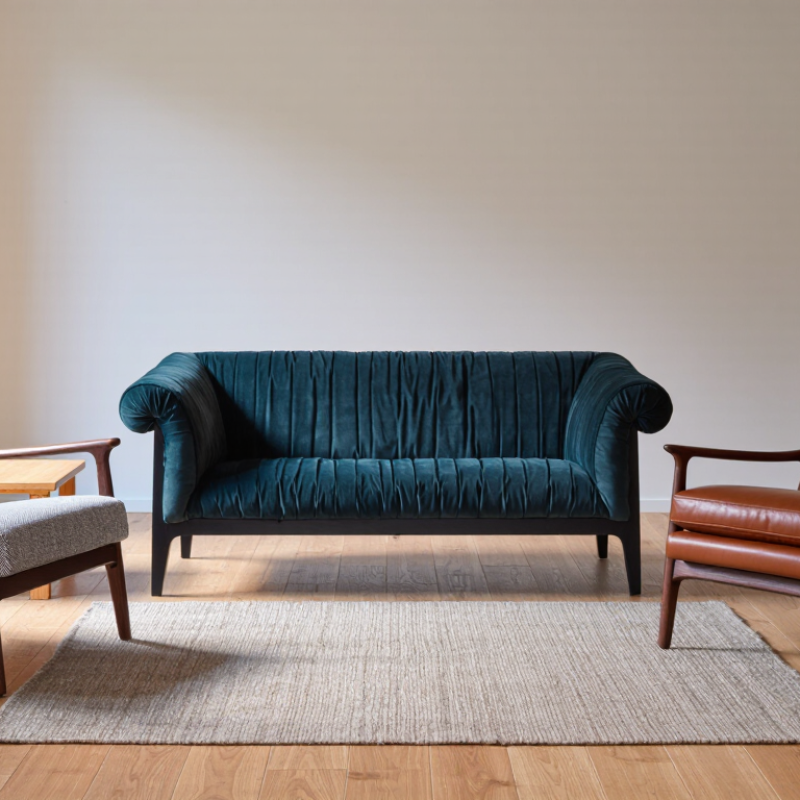
A top custom upholstered armchair is more than a beautiful fabric choice. It should balance comfort, durability, safety, and long-term value. ANSI/BIFMA seating criteria offer a useful professional reference for structural strength, stability, and repeated-use performance. Buyers should ask whether the frame, joints, base, and moving parts have been tested against relevant seating requirements. Custom options should not weaken essential support.
In practical showroom evaluations, sit for at least ten minutes. Check whether your feet rest flat and your lower back feels supported. Look for even stitching, firm edge support, and cushions that recover after pressure. A strong chair should feel stable when you enter, turn, and stand. Upholstery also matters. Dense, cleanable fabric may suit busy rooms better than delicate material. However, “premium” fabric does not always mean better value. I have seen attractive samples wear poorly around arm edges.
Tips: Measure doorways, lift paths, and floor space before ordering. Confirm seat height, cushion composition, fabric performance, warranty terms, and replacement-part availability. Ask for test evidence, not vague comfort claims. Compare maintenance needs with the chair’s expected use. A chair for occasional reading needs differ from one used eight hours daily. Some buyers overlook this. They focus on appearance first, then regret difficult cleaning or slow repairs. A thoughtful choice accepts small compromises, because no custom chair excels at everything.
For buyers, a custom upholstered armchair should be judged beneath the fabric. A handsome silhouette means little if the frame twists under daily use. Kiln-dried hardwood offers dependable stiffness, especially in the rails and front legs. Plywood can also perform well when layers are cross-bonded and properly sealed. Ask for the wood species, moisture control, and a written load rating.
Do not accept “heavy duty” as technical evidence. A useful rating should state the tested weight, method, and safety factor. Ratings vary.
Joinery reveals how the chair was built. Corner blocks secured with screws and adhesive usually resist racking better than staples alone. Mortise-and-tenon joints can provide excellent alignment, but poor machining still creates weak points.
Look underneath. Check for tight seams, reinforced corners, and no visible movement when someone sits down. A 300-pound rating may suit one adult, but dropping into the seat raises stress sharply. That rating is not a guarantee for every household.
Upholstery changes perception, not structural capacity. Dense foam, webbing, or springs should match the frame’s intended load. Ask whether the rating includes the cushion and reclining motion. Custom orders deserve documented specifications before payment.
Request a sample joint photo and an independent test report. Real use can differ. A heavy reader, a child climbing over the arm, and an uneven floor create different forces.
I have learned to question elegant claims when basic construction details remain vague. Slight frame flex may be acceptable; persistent creaking is not.
When choosing custom upholstered armchairs, inspect the fabric beyond color and texture. Martindale durability testing measures resistance to abrasion through repeated rubbing cycles. A higher result usually suits busy rooms, waiting areas, and family spaces. However, it does not guarantee permanent performance.
A fabric rated around 30,000 to 50,000 Martindale cycles may work well for regular residential use. Heavier commercial settings often require a higher rating. Still, construction matters. Loose weaving, sharp frame edges, poor stitching, and frequent friction can shorten fabric life. Numbers help, but they are not the whole story.
Ask for a current test report and a physical fabric sample. Rub the sample gently, inspect the weave, and check how it reacts to pressure. CAL TB117-2013 compliance relates to smolder resistance in upholstered furniture components. It does not mean the armchair is fireproof. The complete chair must use compliant materials and construction, not only compliant fabric. Confirm labeling and documentation with the supplier. This point is often overlooked. A high Martindale figure can still disappoint if the cushion compresses unevenly or the fabric pills. No rating predicts every home. Consider pets, clothing hardware, sunlight, cleaning habits, and expected daily use before approving the final upholstery.
When evaluating custom upholstered armchairs, begin with the seat dimensions, not the fabric.
A seat height of 17 to 19 inches suits many adults, but body proportions matter more. Your feet should rest flat, with knees near a right angle. Seat depth often works best between 20 and 22 inches. Shorter users may need less depth. Longer legs may require more.
Foam density affects durability, while firmness affects immediate comfort. For daily seating, high-resilience foam around 2.0 to 2.5 pounds per cubic foot can offer dependable support. Density alone does not guarantee comfort. Ask about the foam’s firmness rating and layered construction. A softer top layer can reduce pressure, while a firmer core prevents sinking.
I once tested a beautifully padded chair that felt comfortable for ten minutes. After an hour, my pelvis tilted backward. Appearance had hidden a poor fit. Support also comes from the frame, webbing, springs, and back angle. A slightly reclined back can reduce lower-back strain, but excessive reclining may weaken your posture. Sit fully back and check whether the lumbar area feels supported without pushing forward. Armrests should let your shoulders relax, not lift them.
Bring your usual shoes when testing. It sounds excessive. It is useful. Measurements taken without real sitting habits can mislead, and my own fitting notes are not universal. A qualified upholsterer should confirm the dimensions before production.
Custom upholstered armchairs should be ranked by evidence, not showroom appeal. The fastest option is usually a semi-custom chair using standard frames and stocked fabrics. Typical lead time ranges from four to eight weeks. Fully custom frames, performance fabrics, and hand-finishing often require ten to sixteen weeks. Industry surveys from the International Casual Furnishings Association show that delivery delays remain a major furniture complaint. Confirm the production slot in writing.
Warranty terms need closer reading. A three-year frame warranty sounds strong, but fabric, stitching, foam, and labor may have shorter coverage. BIFMA standards test seating durability, yet they do not guarantee a specific warranty period. Ask for testing details, repair procedures, and exclusions. A useful warranty covers structural failure for at least five years. Cushion replacement should be priced separately.
Total cost of ownership reveals the better chair. The U.S. Bureau of Labor Statistics reported average annual household spending of 2,120 dollars on furniture and household equipment in 2023. A 1,200-dollar chair lasting ten years costs 120 dollars yearly, before cleaning. A cheaper 700-dollar chair needing replacement after four years costs more annually. A circular calculation helps. Include delivery, fabric protection, maintenance, cushion refilling, and disposal. The ranking is imperfect, because personal use varies. A chair beside a sunny window ages differently from one in a quiet reading corner. Ask for fabric abrasion results, replacement-part prices, and realistic service times before ordering.
| Rank | Custom Armchair Option | Typical Lead Time | Typical Warranty Terms | Initial Purchase Price | Estimated 10-Year Ownership Cost | Expected Service Life | Maintenance and Repair Profile | Best Suited For |
|---|---|---|---|---|---|---|---|---|
| 1 | Performance-Fabric Made-to-Order Armchair | 8–12 weeks | Usually 1–5 years, depending on the frame, mechanism, and upholstery components; fabric-stain coverage is often limited or excluded. | $1,300–$2,400 | $1,650–$3,000 | 8–12 years with normal residential use | Removable cushions are generally replaceable. Vacuuming and prompt spot cleaning help reduce long-term fabric wear. | Buyers seeking the best balance of customization, practical durability, and moderate cost. |
| 2 | Contract-Grade Commercial Armchair | 12–18 weeks | Often includes a 5-year frame warranty and a shorter upholstery or workmanship warranty; exclusions commonly apply to misuse and normal wear. | $1,800–$3,200 | $2,300–$4,200 | 12–15 years with heavy-use specifications | Higher-density foam, reinforced frames, and replaceable components can reduce repair frequency. Cleaning requirements depend on the textile specification. | High-traffic homes, hospitality areas, waiting rooms, and buyers prioritizing durability over the shortest lead time. |
| 3 | Standard Custom Upholstered Armchair | 6–10 weeks | Commonly a 1-year limited warranty, with separate coverage or exclusions for fabric, leather, cushions, and accidental damage. | $900–$1,600 | $1,350–$2,400 | 8–10 years with normal residential use | Usually economical to maintain, although cushion compression and fabric replacement may become relevant before the frame reaches the end of its service life. | Budget-conscious buyers who want custom dimensions or fabric selection without premium construction. |
| 4 | Top-Grain Leather Custom Armchair | 10–16 weeks | Frequently offers longer frame coverage, such as 5 years, while leather, stitching, cushions, and surface damage may have shorter or separate coverage. | $2,200–$4,200 | $2,700–$5,000 | 12–20 years with regular care | Leather normally requires periodic conditioning and protection from direct heat and sunlight. Surface restoration can be less expensive than full reupholstery. | Buyers who value long service life, patina, and easier spot cleaning over the lowest upfront price. |
| 5 | Fully Bespoke Artisan Armchair | 16–28 weeks | Often includes a 2–5 year workmanship or frame warranty; coverage is usually subject to documented care and may exclude natural material variation. | $3,500–$7,000 | $4,200–$8,000 | 15–20 years with appropriate care | May use repairable joinery and replaceable upholstery, but specialist labor, custom materials, and shipping can make future repairs expensive. | Design-led projects requiring unusual dimensions, premium materials, heritage construction, or a highly specific appearance. |
| Methodology: Prices are indicative U.S. dollar planning ranges for made-to-order residential and light-commercial armchairs and exclude sales tax, delivery, installation, and imported materials. The estimated 10-year ownership cost combines the purchase price with routine care and one allowance for cushions, repairs, or partial reupholstery where appropriate. Warranty coverage varies by seller and contract; buyers should verify the exact coverage for the frame, springs, foam, stitching, upholstery material, labor, shipping, and accidental damage before ordering. | ||||||||
Around 30,000 to 50,000 cycles often suits regular residential use. Busy rooms may need a higher rating. Numbers help. They do not guarantee permanent performance.
No. Loose weaving, sharp frame edges, and weak stitching can shorten fabric life. Pets, metal clothing parts, sunlight, and cleaning habits also matter. A strong test result can still disappoint.
Request a current test report and a physical fabric sample. Rub the sample gently and inspect its weave. Check for pilling and pressure marks. Testing only one small area may mislead.
It concerns smolder resistance in upholstered furniture components. It does not mean the armchair is fireproof. The full chair needs compliant materials and construction. Confirm labels and documents with the supplier.
Your feet should rest flat on the floor. Your knees should sit near a right angle. Seat height often works between 17 and 19 inches. Seat depth commonly ranges from 20 to 22 inches. Fit varies.
High-resilience foam around 2.0 to 2.5 pounds per cubic foot can support daily seating. Density alone cannot predict comfort. A soft upper layer may reduce pressure. A firmer core can limit sinking. Ten comfortable minutes prove very little.
Sit fully back and examine the lumbar support. Your shoulders should relax on the armrests. A slightly reclined back may reduce strain. Too much reclining can weaken posture. Bring your usual shoes. It sounds excessive, but it helps.
Compare lead time, warranty coverage, repairs, maintenance, and replacement parts. Semi-custom options may take four to eight weeks. Fully custom work may require ten to sixteen weeks. Check whether the warranty covers foam, fabric, stitching, and labor. A cheaper chair may cost more over time. The calculation is useful, not perfect.
Choosing the top Custom Upholstered Armchairs requires more than judging appearance. A reliable evaluation begins with ANSI/BIFMA seating principles and buyer-value criteria, including frame strength, secure joinery, tested load ratings, and long-term structural stability. Upholstery should be screened for suitable Martindale durability and compliance with CAL TB117-2013, while fabric quality, maintenance needs, and resistance to everyday wear should also be considered.
Comfort is equally important. Buyers should compare seat height, depth, width, back angle, cushion firmness, foam density, and underlying support to ensure the chair suits its intended users. Finally, custom options should be ranked by practical ownership factors: realistic lead times, clear warranty terms, repair coverage, delivery conditions, and total cost of ownership. The best choice balances safety, comfort, durability, personalization, and dependable service rather than relying on style alone.