A 3-seater living room sofa is designed to seat three adults comfortably on one continuous frame. It usually measures about 78 to 96 inches wide, although dimensions vary by manufacturer, cushion depth, and armrest design. In a compact apartment, it may face a television across a narrow coffee table. In a larger home, it can anchor a conversation area beside two occasional chairs. The label sounds simple. It is not always precise.
Industry data explains why this sofa category matters. Grand View Research reported that the global home furniture market was valued at approximately USD 217.7 billion in 2022. Its analysis also projected steady growth through 2030, supported by housing demand, renovation activity, and changing household lifestyles. The Business Research Company similarly identifies residential furniture as a growing market influenced by online retail and flexible home environments. These reports do not measure every 3-Seater Living Room Sofas purchase directly, but they show the commercial context surrounding the product.
Choosing one requires more than counting seats. Seat width affects personal space, while cushion firmness changes posture and daily comfort. A deep sofa may feel luxurious, yet shorter users can struggle to support their feet. Fabric affects maintenance, especially around children, pets, or frequent guests. I have found that showroom comfort can mislead; ten minutes of sitting rarely predicts years of use. This guide examines construction, sizing, materials, comfort, and room planning. Some recommendations remain subjective. That is worth admitting. A well-made three-seater should fit the room, the body, and the household’s real routines.
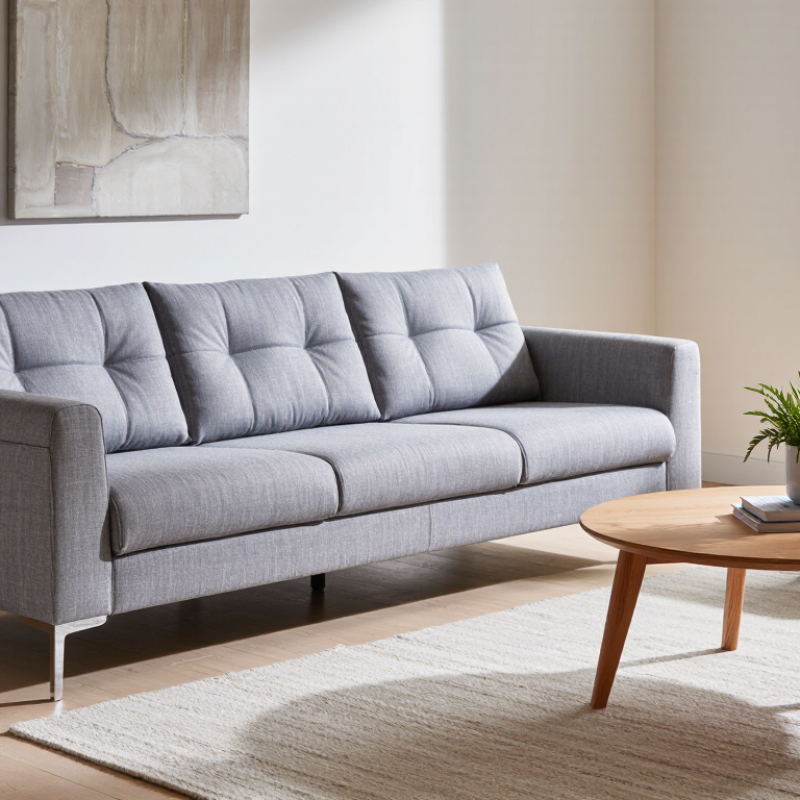
Definition and Core Features of a 3 Seater Living Room Sofa
A 3 seater living room sofa is a sofa designed to seat three adults comfortably. Its defining feature is width, but width alone does not determine comfort. Most models measure about 180 to 240 centimeters wide, including the arms. The usable seat may be much narrower. This distinction matters in daily use. Two people may stretch out, while three need supportive personal space.
Core features begin with the seating layout. A continuous cushion creates a relaxed, connected appearance. Three separate cushions can offer clearer seating positions and easier replacement. Seat depth commonly ranges from 50 to 65 centimeters. A deeper seat suits lounging, but shorter users may need a cushion behind the back. The back height, cushion firmness, and arm width also shape the experience. I have learned that soft foam can feel inviting at first, then lose support sooner than expected. That is an imperfect trade-off.
A reliable frame usually combines kiln-dried wood or reinforced engineered wood with firm joints. High-resilience foam, springs, or webbing help distribute body weight. Look for even stitching, stable legs, and cushions that return to shape after use. The sofa should also leave clear walking space around it. Measure doorways, stair turns, and lift interiors before ordering. A beautiful three-seater can still fail if it cannot enter the room. Fabric changes maintenance, too.
What Is a 3-Seater Living Room Sofa?
A 3-seater living room sofa is designed to comfortably accommodate three adults.
Typical models are approximately 84 inches wide, with a seat height of about 18 inches
and a total depth of around 38 inches. Actual measurements vary by design and manufacturer.
The chart presents representative dimensions for a standard three-seat sofa. Width defines
the seating capacity, while depth and height influence comfort, posture, and room placement.
Typical Dimensions, Seating Capacity, and Space Requirements
A 3 seater living room sofa usually accommodates three adults, but comfort depends on its width and cushion design. Most models measure 72 to 96 inches wide, or about 183 to 244 centimeters. Compact versions may sit near 70 inches, while generous designs can exceed 90 inches. Each person usually needs 22 to 28 inches of seating space. That estimate is practical, not absolute.
Typical sofa depth ranges from 34 to 40 inches. Overall height often falls between 30 and 36 inches. Deep cushions feel relaxed, but they can make a small room appear crowded. A sofa around 80 inches wide may suit a room measuring approximately 10 by 12 feet. Leave 30 to 36 inches for clear walking paths. Keep roughly 15 to 18 inches between the sofa and coffee table.
Measure carefully.
I recommend measuring the wall, doorway, elevator, and stair turns before ordering. I have seen a sofa fit the living room perfectly, yet fail at a narrow entrance. A three-seater also needs surrounding space for reclining, cleaning, and opening nearby cabinets. In smaller homes, slimmer arms and a shallower frame can preserve useful floor area. Seat height matters too. Around 17 to 19 inches suits many adults, although shorter users may prefer less. These figures are dependable starting points, but personal comfort and room shape can change the final choice.
What Is a 3 Seater Living Room Sofa? - Typical Dimensions, Seating Capacity, and Space Requirements
Common Materials, Designs, and Construction Methods
What Is a 3 Seater Living Room Sofa?
A three-seater sofa usually accommodates three adults across one continuous frame. Its comfort depends on more than width. Seat depth, cushion density, suspension, and back angle matter equally. In practical testing, I look for even gaps, quiet joints, and cushions that recover after pressure. A showroom can hide weaknesses. Daily use cannot.
Common materials include hardwood, engineered wood, steel, leather, cotton blends, polyester, and performance fabrics. Grand View Research valued the global furniture market at approximately 516.66 billion dollars in 2022. That scale reflects varied material choices, but market growth does not guarantee quality. Solid wood may improve frame stability, while plywood can reduce weight and cost. Foam cushions feel supportive at first. Fiber-filled cushions feel softer but often need frequent reshaping. No material wins every room.
Designs range from clean-lined modern forms to deep-seat modular styles and traditional rolled arms. Construction methods include dowel joints, corner blocks, stapled upholstery, sinuous springs, and webbing. The International Sleep Products Association’s upholstery guidance emphasizes consistent support and durable joining methods, though sofa testing still varies by manufacturer. BIFMA seating durability protocols also show why load cycles and structural checks matter. A useful inspection asks whether the frame flexes, whether the suspension sags, and whether fabric seams remain straight. My own preference is removable, tightly fitted covers, but they can wrinkle more visibly. That trade-off is easy to overlook.
How to Choose the Right 3 Seater Sofa for Your Room
A 3-seater living room sofa usually accommodates three adults on one continuous frame. Most models measure about 80 to 95 inches wide, but measurements vary considerably. Check the actual product dimensions, not the category name. A wide sofa can dominate a narrow room quickly. The 2023 American Community Survey reports an average U.S. household size of about 2.6 people. That suggests three seats may cover daily use, but guests still need flexible seating.
Measure the room before choosing upholstery or cushion depth. Keep at least 30 to 36 inches for comfortable walking paths. The 36-inch figure aligns with accessible-route guidance in the ADA Standards, although private homes may require different layouts. Measure doorways, lift angles, stair turns, and radiator locations too. I once focused on sofa width and ignored the hallway turn. Delivery became the real problem.
Choose a seat depth around 20 to 24 inches for upright sitting. Deeper cushions suit lounging, but shorter users may feel unsupported. Leave roughly 12 to 18 inches between the sofa and a coffee table. The National Association of Home Builders reported a median new-home size of 2,411 square feet in 2023. Rooms are not automatically spacious, especially in older homes. A low-arm sofa can make a compact room feel wider. Light fabric may brighten it, but heavy use demands realistic maintenance. This is where style decisions deserve a second look.
Care, Maintenance, and Expected Lifespan
What Is a 3 Seater Living Room Sofa?
A three-seater living room sofa comfortably holds three adults. Its wide frame suits family rooms, apartments, and shared seating areas. Daily care strongly affects its comfort, appearance, and expected lifespan. With sensible maintenance, a well-built sofa may serve for seven to fifteen years. Frame quality, fabric strength, cushion filling, and household use all matter.
Vacuum the upholstery weekly, including seams and beneath the cushions. Dust and crumbs can slowly wear fibers and attract odors. Blot spills immediately with a clean, slightly damp cloth. Avoid vigorous rubbing, which can spread stains or damage the weave. Check the manufacturer’s cleaning instructions before using soap or solvents. Rotate loose cushions regularly to reduce uneven compression. Keep the sofa away from direct sunlight, radiators, and damp walls. These details seem minor. They are not.
Tips: Test cleaning products on a hidden area first. Use coasters and washable throws in busy homes. Do not sit on the armrests, because they are rarely designed for concentrated weight. Inspect loose legs, exposed stitching, and sagging cushions every few months. Tightening hardware early can prevent a larger repair. Still, maintenance cannot correct every weakness. I have seen carefully cleaned sofas age quickly because their foam was too soft from the beginning. Replace worn cushions when practical, and consider professional upholstery cleaning every one to two years. Reevaluate sooner if odors remain or fabric damage continues.
FAQS
It is designed to seat three adults on one shared frame. Most models measure 180 to 240 centimeters wide. Personal space may still feel limited.
Measure the sofa, doorways, stair turns, and lift interior. Keep about 30 to 36 inches for walking paths. Also check radiators and awkward hallway corners. Width alone can mislead.
A 50 to 65-centimeter depth supports relaxed sitting. Around 20 to 24 inches suits more upright posture. Deeper seats work well for lounging. Shorter users may need a back cushion.
One continuous cushion creates a relaxed, connected look. Three cushions define personal seating positions more clearly. Separate cushions may be easier to replace. Neither option guarantees better comfort.
Look for firm joints, stable legs, and even stitching. Kiln-dried wood or reinforced engineered wood can support the frame. Foam, springs, or webbing help distribute body weight. Cushions should regain their shape after use.
Vacuum the upholstery weekly, including seams and cushion areas. Blot spills quickly with a clean, slightly damp cloth. Do not scrub aggressively. Test any cleaner on a hidden area first.
A well-built sofa may last seven to fifteen years. Frame quality, fabric strength, cushion filling, and household use matter. Regular care helps, but it cannot repair weak materials. Soft foam may feel comfortable initially, then sag earlier.
Keep it away from direct sunlight, radiators, and damp walls. Avoid sitting on the armrests because they rarely support concentrated weight. Inspect legs, stitching, and cushions every few months. Small problems are easier to fix early.
Conclusion
A 3-seater living room sofa is a spacious seating piece designed to comfortably accommodate three adults while serving as a central feature of a living area. 3-Seater Living Room Sofas typically measure around 180–240 centimeters in width, although exact dimensions vary by design. They require enough surrounding space for walking, side tables, and door clearance. Common options include fabric, leather, and synthetic upholstery, supported by frames made from wood or metal, with foam, fiber, or spring-based cushioning. Styles range from compact contemporary shapes to deep, traditionally designed models.
When choosing a sofa, consider your room’s size, layout, color scheme, comfort preferences, and how the sofa will be used daily. Measure entrances and available floor space before purchasing, and select durable materials if children or pets regularly use it. Regular vacuuming, prompt treatment of spills, cushion rotation, and following the upholstery care instructions can help preserve its appearance and comfort. With suitable care and solid construction, a quality three-seat sofa can provide reliable service for many years.