Made-to-Order Craftsmanship · Flexible Sizing · Nationwide Delivery Across Indonesia
0%

Luxury Chaise Lounges combine sculptural design with the comfort of extended seating. They are longer than standard armchairs, supporting the back, hips, and legs in one continuous form. Their appeal reaches beyond appearance. A well-made chaise can shape how people read, rest, or welcome guests at home.

Materials often reveal the difference. Full-grain leather may develop a richer patina, while tightly woven linen creates a softer, relaxed impression. Kiln-dried hardwood frames, dense foam, and carefully placed webbing can improve stability and daily comfort. In showroom evaluations, I look closely at stitching, frame movement, cushion recovery, and the chaise’s balance against surrounding furniture. Small details matter. A beautiful profile cannot compensate for weak support.

The phrase Luxury Chaise Lounges does not guarantee quality by itself. Some expensive models prioritize dramatic curves over practical ergonomics. I once underestimated how quickly a low seat could strain the knees during regular use. That experience remains useful, because comfort depends on body shape, posture, room scale, and intended use. A chaise should invite relaxation without forcing the body into one position.

This guide explores construction, styling, comfort, care, and buying considerations. It also questions common assumptions about luxury furniture. Does a higher price reflect better craftsmanship? Not always. Reliable choices come from examining materials, testing the seating angle, and checking the manufacturer’s reputation. A chaise may look perfect in photographs, yet feel entirely different beside a window, under warm lighting, or after several hours of use.
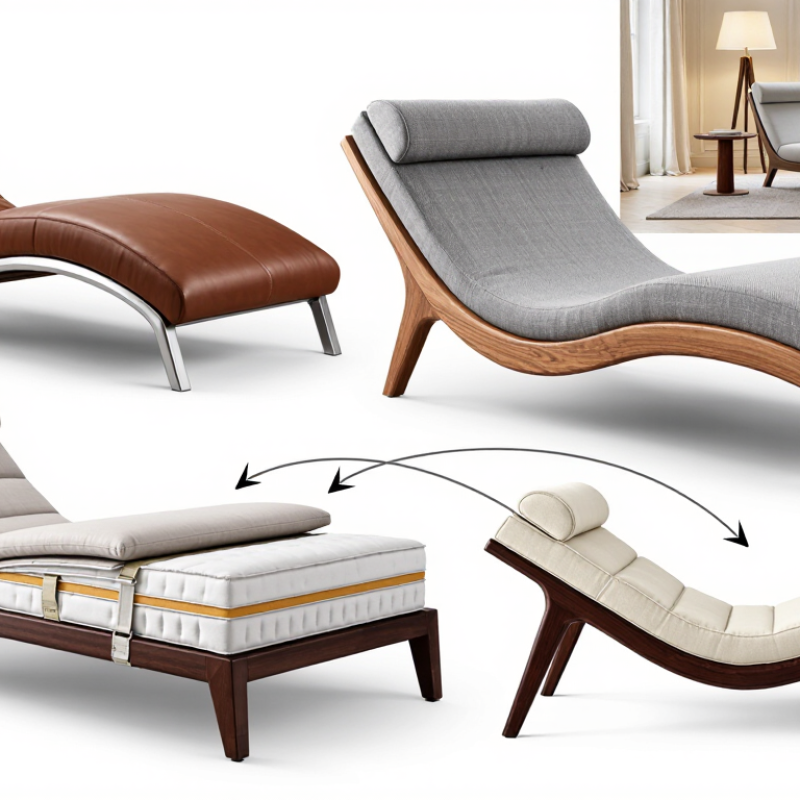
What Are Luxury Chaise Lounges?

Definition and Core Features of Luxury Chaise Lounges

What Are Luxury Chaise Lounges?

Definition and Core Features of Luxury Chaise Lounges

A luxury chaise lounge is an upholstered seat designed for extended reclining, reading, or quiet conversation. Unlike a standard chair, it supports the back, hips, and legs in one continuous form. Its value comes from comfort, construction, and visual balance rather than decoration alone.

A well-made chaise usually combines a firm internal frame, resilient cushioning, and carefully finished upholstery. Kiln-dried wood or reinforced metal can improve structural stability. High-density foam helps the seat recover after use, while layered padding creates a softer first impression. The cover may use leather, linen, velvet, or a durable woven textile. Texture matters. It changes how the chaise feels under natural light and against bare skin.

Proportion is another defining feature. The seat should allow the user to recline without forcing the knees upward or the shoulders forward. A gently angled back, supportive armrest, and properly padded head area can reduce pressure during longer use. Details such as neat stitching, concealed joints, and even seams often reveal manufacturing quality. Looks can deceive.

In practice, luxury does not always mean excessive softness. A chaise that feels plush for five minutes may lack support later. I would also question unusually delicate fabrics in busy homes. The ideal piece balances comfort, durability, craftsmanship, and room scale. It should feel inviting, not oversized or difficult to maintain.

Historical Development and Cultural Significance

What Are Luxury Chaise Lounges?

A luxury chaise lounge is a long upholstered seat designed for reclining, resting, or quiet conversation. Its form combines a chair’s support with a daybed’s relaxed posture. The word chaise comes from the French chaise longue, meaning “long chair.” Early versions appeared in European interiors during the eighteenth century. They offered comfort without requiring a person to lie fully in bed.

Historical development shaped its cultural meaning. In aristocratic salons, a chaise lounge suggested leisure, privacy, and refined hospitality. Carved wood, stitched upholstery, and curved backs also displayed the owner’s taste. During the Victorian period, chaise lounges entered more middle-class homes. Their placement near windows or fireplaces created small spaces for reading and receiving guests. Yet historical accounts sometimes present them only as symbols of luxury. That view misses their practical role in recovery, conversation, and daily rest.

By the twentieth century, designers simplified the silhouette and explored steel, leather, molded wood, and new textiles. The chaise lounge then appeared in living rooms, studios, hotels, and wellness spaces. Its meaning changed with modern lifestyles. It could represent private comfort rather than social status. Material quality still matters, especially frame strength, upholstery resilience, and ergonomic support. However, “luxury” remains a flexible term. A costly lounge may look impressive but feel uncomfortable. A simpler piece may offer better balance, deeper support, and longer use. The most convincing designs respect both craft and the body’s natural posture.

Materials, Craftsmanship, and Design Characteristics

What Are Luxury Chaise Lounges?

Luxury chaise lounges combine extended seating with carefully controlled comfort. Their identity begins with materials, not decoration. Hardwood frames, kiln-dried to reduce movement, provide a stable foundation. Some makers use responsibly sourced timber, while others choose engineered wood for consistent strength. Both can perform well when joints are precise. Upholstery changes the experience. Full-grain leather develops character, while tightly woven linen offers a cooler, softer touch. High-resilience foam supports the body without feeling rigid. Natural fillings add softness, but they may require regular reshaping. That detail is easy to overlook.

Craftsmanship appears in places users rarely photograph. Look for reinforced joints, even stitching, smooth transitions, and balanced padding. A well-made chaise should feel steady when someone shifts position. In my furniture inspections, uneven seams often reveal rushed assembly. They do not always mean failure, but they deserve questions about durability. Hand finishing can create subtle variation in wood tone or leather grain. That variation is not a defect. It is evidence of material life. Still, skilled production should keep measurements consistent and surfaces comfortable.

Design determines how the chaise occupies a room. A low profile suggests relaxation, while a raised seat supports easier standing. Curved backs can cradle the shoulders, yet excessive depth may strain shorter users. Test the angle before judging appearance. Arm placement, cushion firmness, and foot support should match real habits, not showroom poses. I prefer designs that look refined without sacrificing maintenance access. Removable covers help, though zippers and seams can weaken over time. Luxury is not simply a high price. It is thoughtful performance, honest construction, and comfort that remains convincing after repeated use. Even then, personal fit matters more than a perfect photograph.

What Are Luxury Chaise Lounges? - Materials, Craftsmanship, and Design Characteristics

Dimension Typical Characteristics Why It Matters What to Look For
Definition A chaise lounge is an elongated upholstered seat designed to support the body in a reclining position, usually with a backrest at one end and space to extend the legs. Its extended form combines the functions of a chair and a place to recline, making it suitable for reading, resting, or relaxed conversation. Check that the length, seat depth, and backrest position suit the intended user and room.
Frame Materials Frames may be made from kiln-dried hardwood, engineered wood, metal, or a combination of materials. A well-built frame provides stability and helps the furniture retain its shape through regular use. Look for solid, secure joints, an even finish, and clear information about the frame materials.
Upholstery Common coverings include woven fabric, velvet, leather, and performance textiles. Material characteristics vary by weave, finish, and treatment. The covering affects appearance, touch, cleaning requirements, and resistance to everyday wear. Review care instructions, fabric composition, abrasion information where available, and suitability for household use.
Cushioning Cushions may use foam, fiber, feathers, or layered combinations. Seat firmness and support depend on the materials and construction. Comfort depends on personal preference as well as how the cushion supports the body over time. Test the seat when possible and check whether cushions are fixed, reversible, or removable.
Craftsmanship Quality construction can include carefully aligned seams, neatly finished edges, consistent upholstery tension, and reinforced frame connections. Attention to detail contributes to durability and gives the piece a refined, finished appearance. Inspect stitching, corners, underside finishing, stability, and the smooth operation of any moving parts.
Design Characteristics Styles range from traditional scroll arms and tufted upholstery to clean-lined, sculptural, or minimalist forms. Shape, color, and detailing influence how the chaise relates to the room’s furniture and overall style. Consider the silhouette, visual scale, leg style, and whether the design works with existing furnishings.
Ergonomics Seat height, seat depth, back angle, and arm placement differ across designs and affect posture and ease of use. A comfortable fit depends on the user’s body proportions and preferred reclining position. Compare measurements with a similar seat and confirm that the chaise allows comfortable entry and exit.
Scale and Placement Chaise lounges can be freestanding accent pieces or part of a larger seating arrangement. Their long footprint requires planning. Allowing adequate clearance helps preserve circulation and keeps the room from feeling crowded. Measure the furniture and doorway access, then map the footprint before placing an order.
Care and Longevity Care needs depend on upholstery and finish. Regular dusting, prompt spill treatment, and following manufacturer care guidance can help maintain appearance. Appropriate care can reduce avoidable wear and help preserve the materials over time. Check cleaning instructions before purchase, especially for delicate fabrics, leather, or specialty finishes.

Types, Styles, and Functional Differences

Luxury chaise lounges combine the support of a chair with the extended seat of a daybed. Their differences are practical, not just decorative. A classic chaise has one raised end and usually faces a single direction. A fainting couch often has a backrest along one side, making it easier to recline while reading. A modular chaise may attach to a sofa or separate for flexible room layouts. Measure the full length before buying; these pieces can dominate a small room.

Style also affects how a lounge feels in daily use. A sculptural frame with exposed wood looks airy, but may offer less cushioning. Deep upholstery feels inviting for a long rest, though it can be harder to stand up from. Tufted fabric adds texture and holds its shape, while smooth leather or tightly woven cloth is easier to wipe clean. Check the seat height, arm placement, and cushion firmness in person when possible. Small details matter. A chaise beside a sunny window may need fade-resistant fabric, and a low profile can feel awkward for taller users. I once underestimated that last point. Comfort is personal, and a beautiful silhouette does not guarantee a good fit.

Selection, Placement, and Care Considerations

What Are Luxury Chaise Lounges?

Luxury chaise lounges combine deep comfort with sculptural design. Their value depends on construction, proportion, and everyday usability, not decoration alone. Choose a frame made from kiln-dried hardwood or reinforced metal. Check the joints carefully. They should feel firm, without creaking or visible gaps. High-resilience foam supports daily use, while feather blends offer softer comfort but need regular reshaping. Measure the seat depth before buying. A beautiful chaise can feel awkward if your feet cannot rest naturally.

Placement affects both comfort and appearance. Leave enough space for walking, usually at least 60 centimeters around the lounge. Position it near natural light, but avoid strong direct sunlight, which may fade fabric and dry leather. Keep it away from radiators and damp corners. A chaise can define a reading area beside a lamp or create a calm focal point near a window. I have seen elegant rooms feel crowded because the lounge was oversized. Room plans are useful, but real movement matters more.

Tips: Vacuum upholstery gently each week using a soft attachment. Rotate cushions when the design allows it. Blot spills immediately; never rub them deeper into the fibers. Follow the care label, and test cleaners on a hidden area first. Leather may need conditioning, while textured fabric may collect dust in its weave. Even careful owners overlook the underside. Inspect it occasionally for loose threads, uneven legs, or moisture. Professional cleaning is sensible when stains persist, though home methods sometimes cause more damage.

FAQS

What is a luxury chaise lounge?

It is an extended upholstered seat for reclining, resting, or quiet conversation. Think chair support, with room to stretch your legs.

Where did chaise lounges first become popular?

Early versions appeared in eighteenth-century European interiors. In salons, they offered a place to rest without going to bed.

Which materials affect comfort and durability?

Hardwood or reinforced metal can provide a steady frame. Leather, linen, foam, and natural fillings each feel different. No material suits everyone.

What details reveal careful craftsmanship?

Check the joints, stitching, padding, and legs. The lounge should feel steady when you shift position. Uneven seams deserve a closer look.

How can I tell if a chaise will fit me?

Sit on it and test the seat depth, back angle, and foot support. Your feet should rest naturally. A showroom pose can mislead.

Where should I place a chaise lounge?

Leave about 60 centimeters around it for walking. A reading lamp or window can create a quiet corner, but direct sunlight may fade upholstery.

How should I care for the upholstery?

Vacuum gently each week with a soft attachment. Blot spills; do not rub them. Test cleaners on a hidden area first.

What should I inspect over time?

Check the underside for loose threads, uneven legs, or moisture. Rotate cushions when possible. I still forget the underside sometimes.

Conclusion

Luxury Chaise Lounges are refined seating pieces designed to combine comfort, support, and visual elegance. Unlike ordinary chairs, they usually provide an extended surface for reclining, allowing users to sit, stretch, or rest in a relaxed posture. Their development reflects changing lifestyles and cultural ideas about leisure, privacy, and interior decoration. Over time, they have evolved from formal furniture associated with traditional salons and resting areas into versatile pieces suitable for bedrooms, living rooms, reading corners, and hospitality spaces.

The character of Luxury Chaise Lounges is shaped by their materials, construction, and design details. Carefully selected wood, metal, fabric, leather alternatives, and cushioning can influence durability, comfort, and appearance, while handcrafted joints, tailored upholstery, and balanced proportions add a sense of quality. Available in classic, modern, minimalist, curved, or adjustable styles, each type offers different levels of support and practicality. Choosing the right chaise lounge requires considering room size, intended use, posture, color, and surrounding furniture. Regular dusting, gentle cleaning, protection from direct sunlight, and proper weight distribution can help preserve its beauty and performance.


Elara

Elara

Elara is a professional marketing specialist dedicated to helping customers better understand innovative products, practical solutions, and the value they can bring to everyday business and personal needs. With a strong understanding of the company’s product portfolio, customer expectations, and......