Choosing the right Solid Wood Dining Tables involves more than comparing colors and prices. A beautiful table must also support daily meals, homework, celebrations, and unexpected spills. Oak, walnut, maple, and rubberwood each offer different grain patterns, hardness, weight, and maintenance needs. Understanding these differences helps buyers make a confident, practical decision.
A reliable evaluation starts with the wood’s origin, construction, and finish. Look for clear information about solid wood content, moisture control, and responsible sourcing. Examine the tabletop closely. Visible grain should feel natural, not printed or overly uniform. Traditional joinery, such as mortise-and-tenon connections or sturdy corner blocks, can improve long-term stability. The table should not wobble when gently pushed. Small details matter.
Room size also deserves careful attention. Leave enough space for chairs and comfortable movement around the table. A 72-inch table may seat six people, but bulky chairs can reduce that capacity. Measure doorways, staircases, and dining areas before ordering. This step seems obvious. It is often missed.
This guide compares materials, dimensions, finishes, construction methods, and care requirements. It also considers real household conditions, including children, pets, humidity, and frequent use. Some advice may not fit every home, and no table remains perfect forever. Wood can develop marks, color changes, or seasonal movement. Those changes are not always defects. They can reflect genuine material behavior.
By weighing verified specifications against personal habits, shoppers can avoid attractive but unsuitable choices. The best table is not necessarily the heaviest or most expensive. It is the one that combines dependable construction, suitable proportions, honest materials, and lasting everyday value.
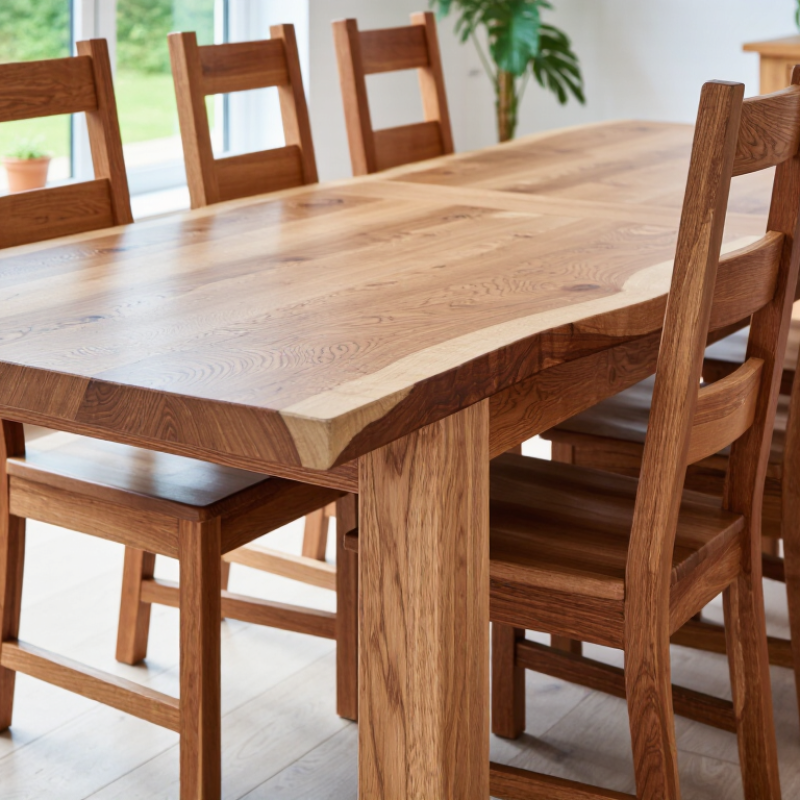
Choosing a solid wood dining table starts with understanding the wood, not just its color. Each species responds differently to weight, humidity, sunlight, and daily cleaning. Oak is dense and dependable, with visible grain and good resistance to dents. Walnut feels smoother and has deep brown tones, but it usually costs more and may show scratches clearly. Rubberwood offers a consistent texture and practical stability when properly kiln-dried. Wood is never perfectly uniform. Knots, mineral streaks, and small color shifts are natural signs of real timber.
Construction matters as much as the species. A well-made table should feel steady, with carefully joined legs and a top that allows seasonal movement. Solid wood expands in humid months and contracts in dry rooms. A wide slab fixed too tightly can split or cup. Ask about moisture control, finish type, and repair guidance. These details show whether the maker understands wood or is only selling its appearance. I still find this easy to overlook.
Tips: Compare wood samples under daylight and warm indoor light. Run your hand across the surface; rough patches may indicate weak finishing. Check the underside for movement gaps or support rails. Choose a finish that matches your routine: a sealed surface handles frequent meals better, while oil can highlight grain but needs regular care. Do not judge durability by hardness alone. Joinery, drying, thickness, and maintenance often matter more.
Leave at least 36 inches between the table edge and nearby walls or furniture. This allows chairs to move comfortably. Measure twice. A small error becomes obvious during dinner.
Allow about 24 inches of table width per person. A 60-inch table usually seats six people. An 84-inch table can often seat eight. Leg placement may reduce usable seating.
Round tables encourage conversation and use corners efficiently. Square tables can also fit compact rooms. However, four adults may feel crowded around a square table. Not every small table feels spacious.
Rectangular tables suit long rooms and larger gatherings. They can support meals, homework, and occasional work. Check the walking path carefully. A large table may look impressive but block movement.
Mark the planned size on the floor with painter’s tape. Place your actual chairs around the marked area. Check knee space, door clearance, and walking paths. Paper measurements are not enough.
Thick supports and corner legs can reduce usable seating. They may interfere with knees or chair positions. Check where each leg sits before buying. I once ignored chair depth. The walkway became too narrow.
Oil finishes show the wood grain beautifully and allow local repairs. They need periodic reapplication. Water-based protective finishes usually resist spills better. They may also produce fewer strong odors during application. “Maintenance-free” is unrealistic.
Keep it away from radiators and direct sunlight. Use coasters and wipe spills promptly. Clean the surface with a barely damp cloth. Do not soak the wood. Inspect it seasonally for loose joints or moisture marks.
Choosing the best Solid Wood Dining Tables begins with understanding the character of different wood types. Each species offers its own grain pattern, color, hardness, and aging process, so consider whether you prefer a warm rustic appearance, a refined modern look, or a surface that develops richer tones over time. The table’s size and shape should also match your dining area, leaving enough room for chairs and comfortable movement. Think about how many people you normally seat and whether you need an extendable design for gatherings.
Quality construction is equally important. Look for a stable frame, carefully fitted joints, a durable tabletop, and a finish that protects the wood without hiding its natural beauty. Choose a style and maintenance level that suits your lifestyle, since some finishes require regular care while others are easier to manage. Finally, compare the purchase price with expected durability, repairability, and long-term usefulness. A well-made solid wood table may cost more initially but can provide lasting value for everyday meals and special occasions.