China has become a serious sourcing destination for Custom Sofas, serving hotels, property developers, retailers, and private residences worldwide. Its strength is not only competitive pricing. Experienced manufacturers combine solid-wood frames, calibrated foam, durable upholstery, and flexible production for different markets. A well-made sofa should feel stable when someone sits down, not simply look attractive in a showroom.
Furniture designer Patricia Urquiola has said, “I like to design things that are useful, but also beautiful.” This idea matters when evaluating Chinese Custom Sofas suppliers. A practical sofa needs more than a fashionable silhouette. It needs tested dimensions, consistent stitching, comfortable seat depth, and hardware that survives daily use. Buyers should request frame samples, fabric swatches, foam specifications, and photographs of completed projects. Factory audits also reveal details that catalogues often hide. Look closely at workshop cleanliness, cutting accuracy, packaging methods, and quality-control records.
There is no perfect supplier.
Even established factories can make mistakes. Color variation may appear between fabric batches. A prototype may feel excellent, while mass production feels slightly firmer. These problems require honest communication, documented approvals, and inspection before shipment. This guide explores how global buyers can compare China’s leading Custom Sofas manufacturers, assess real production capability, and avoid decisions based only on attractive prices. The strongest partnership is built slowly, with clear drawings, realistic tolerances, and regular feedback. Sometimes, the smallest detail matters most.
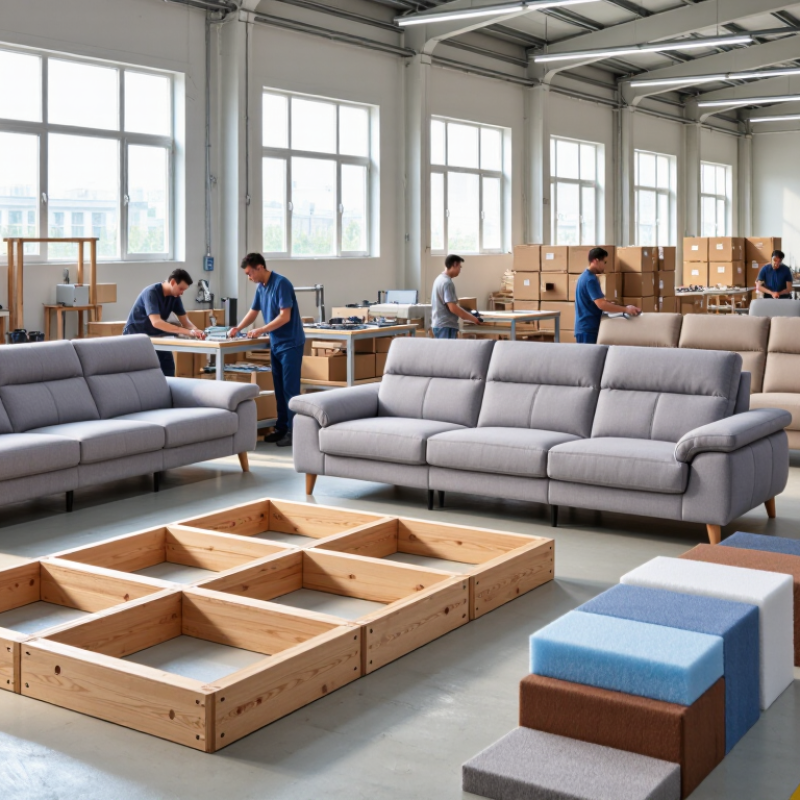
A top custom sofa manufacturer in China is defined by more than factory size or attractive product photos. It combines practical experience, controlled production, and clear communication. Skilled teams understand how seat depth, foam density, fabric tension, and frame strength affect daily comfort. They can also explain these choices in simple terms.
Reliable manufacturers begin with accurate drawings and material samples. A buyer should receive clear measurements, fabric references, color details, and packaging plans before production. Experienced technicians inspect kiln-dried wood, joint construction, foam layers, and stitching quality. They also check whether the finished sofa matches the approved sample. Small differences matter.
Quality control needs evidence, not promises. A dependable supplier can provide inspection records, test information, and photos from key production stages. It should answer questions about moisture resistance, load testing, fire-safety requirements, and export packaging. Documentation must match the destination market. Regulations vary.
Communication remains a practical test. Replies should be specific, not vague. A professional team identifies risks early, such as fabric shade variation or oversized carton dimensions. It also offers workable corrections. No manufacturer gets every detail right. That is worth admitting. What matters is whether the team records mistakes, improves the process, and accepts reasonable inspection. A top custom sofa manufacturer earns trust through repeatable work, honest limitations, and furniture that performs well after delivery.
This 100-point buyer evaluation framework highlights the main factors global buyers should verify when selecting a Chinese custom sofa manufacturer. Quality control, customization capability, production capacity, compliance documentation, export experience, and after-sales support are practical indicators of supplier reliability. The weighting is an evaluation model rather than a ranking of individual companies.
Custom sofa production usually starts with a clear product brief. Buyers share dimensions, sketches, fabric preferences, foam density, and target quantities. Experienced manufacturers then prepare technical drawings and a cost estimate. Small details matter, including seat depth, arm height, stitching, and packaging size.
A sample normally follows. The factory builds the frame, shapes the foam, and applies the selected upholstery. Buyers should inspect comfort, color, stitching, and stability before approving mass production. After approval, workers cut materials with measured patterns and assemble each sofa through separate stations. Quality teams check frame joints, surface finish, dimensions, and carton protection. Export documents and packaging should match the destination market’s requirements.
Tips: Request a material swatch and a full-size sample. Confirm tolerances in writing. Ask for production photos, but do not rely on photos alone. In my experience, fabric can appear different under warehouse lighting. Foam comfort may also change slightly after shipping. That is worth discussing early. A detailed checklist reduces avoidable rework, although it cannot remove every production variation.
Materials decide a sofa’s comfort, lifespan, and shipping performance. Kiln-dried hardwood frames resist warping better than fresh timber. High-resilience foam usually feels supportive, while feather blends create a softer seat. Fabric choices include polyester, linen blends, velvet, and performance textiles. According to the International Sleep Products Association, foam density strongly affects durability, although density alone does not guarantee comfort. Buyers should request foam specifications, fabric abrasion results, frame details, and sample photos. Small test pieces often reveal more than polished showroom images.
Design customization can cover seat depth, arm width, stitching, leg height, modular sections, and removable covers. CAD drawings help confirm proportions before production. The Global Upholstery Market report by Fortune Business Insights projects steady growth through 2032, driven partly by residential renovation and personalized interiors. This suggests customization is valuable, but trends change quickly. A fashionable curved sofa may become difficult to stack, protect, or repair. I have found that practical modular designs often serve projects better. Not always beautifully.
Tips: Ask for a complete material sheet, not only a product picture. Confirm carton dimensions, compression packaging, color tolerance, and replacement-part support. Request a prototype or pre-production sample when the order is large. Also verify the manufacturer’s quality records, testing process, and export experience. These checks may slow purchasing, but they reduce expensive misunderstandings.
A dependable custom sofa manufacturer controls quality from material arrival to final loading. Experienced inspectors check timber moisture, foam density, fabric shade, and metal frame strength. Each batch receives a recorded inspection result. This makes problems easier to trace.
Production teams usually inspect frame joints before upholstery begins. They also test stitching, cushion recovery, reclining mechanisms, and leg stability. Finished sofas may undergo dimensional checks, packaging reviews, and carton drop testing. Small details matter. A loose thread can damage a buyer’s reputation.
International orders require more than attractive samples. Depending on the destination, products may need testing for flammability, formaldehyde, heavy metals, or restricted substances. Reliable factories work with qualified laboratories and keep current test reports. They should also provide material declarations, inspection records, and shipment documentation. Requirements can differ between countries, so assumptions create risk.
Quality systems are never perfect. Fabric batches may vary slightly, and handcrafted details may show minor differences. Transparent communication helps buyers decide what variation is acceptable. Pre-shipment inspections, production photos, and retained samples add practical protection. A strong supplier welcomes difficult questions, corrects repeated defects, and improves procedures instead of hiding them. That attitude supports long-term international cooperation.
Selecting a custom sofa supplier requires more than comparing online prices. Request factory photographs, production videos, and recent export references. A reliable supplier should explain frame materials, foam density, fabric performance, and stitching standards clearly. Ask for test reports when fire safety or chemical requirements apply in your market. Vague answers deserve caution.
Order a physical sample before approving large production. Check seat firmness, seam alignment, cushion recovery, and carton protection. Measure the sofa carefully against the approved drawings. In one purchasing project, the sample looked impressive, but several cartons arrived with crushed corners. The supplier improved the packaging after reviewing loading photos. We had missed that inspection earlier.
Visit the factory if possible, or arrange an independent inspection. Observe cutting areas, sewing lines, warehouse conditions, and final quality checks. Confirm production capacity during busy seasons, not only during quiet months. Discuss minimum order quantities, lead times, spare covers, warranty handling, and replacement procedures in writing. A supplier may promise flexibility, yet small changes can affect costs and schedules. Keep every approved detail in one specification file. It reduces misunderstandings, although it cannot prevent every mistake. Reliability is shown through consistent communication, honest corrective action, and documented quality control.
Share dimensions, sketches, fabric preferences, foam density, and target quantities. Seat depth, arm height, stitching, and carton size also matter.
A full-size sample reveals comfort, color, stitching, dimensions, and frame stability. Small swatches cannot show everything. Comfort can surprise you.
Check cushion support, fabric shade, seam alignment, arm height, seat depth, and movement on the floor. Record acceptable tolerances in writing.
Workers build the frame, shape the foam, cut measured materials, and apply upholstery. Separate stations handle assembly and finishing. Each station can still make mistakes.
Inspectors review timber moisture, foam density, fabric shade, frame joints, stitching, and metal strength. They record results for easier problem tracing.
Finished sofas may receive dimensional checks, cushion recovery tests, leg stability checks, and carton drop testing. Reclining parts need additional inspection when included.
Requirements vary by destination. Buyers may need test reports, material declarations, inspection records, export documents, and shipment paperwork.
Confirm packaging details, carton protection, and written tolerances early. Request production photos and a pre-shipment inspection. Photos alone are not enough.
Yes, fabric shades may change slightly between batches. Warehouse lighting can mislead color judgments. Foam comfort may shift after shipping.
A reliable supplier answers difficult questions, reports defects honestly, and improves repeated problems. No quality system is perfect. Transparency still matters.
Choosing a top Custom Sofas manufacturer in China requires more than comparing prices. A reliable supplier should demonstrate strong production capabilities, experienced designers, flexible customization services, and a clear understanding of international buyers’ needs. The manufacturing process typically includes design confirmation, material selection, frame construction, upholstery, assembly, inspection, and secure packaging. Buyers can customize sofa dimensions, shapes, colors, fabrics, leather alternatives, cushioning, functions, and packaging according to their market requirements.
Quality control is essential at every stage, from checking raw materials and structural strength to testing comfort, appearance, durability, and finished dimensions. Qualified manufacturers should also maintain consistent production records and support relevant international safety, labeling, packaging, and export requirements. Global buyers can evaluate suppliers through factory audits, product samples, technical documents, communication efficiency, production capacity, lead times, after-sales support, and transparent quotations. By reviewing these factors carefully, buyers can select a dependable partner capable of delivering consistent quality, practical customization, and stable cooperation for different markets.