Made-to-Order Craftsmanship · Flexible Sizing · Nationwide Delivery Across Indonesia
0%

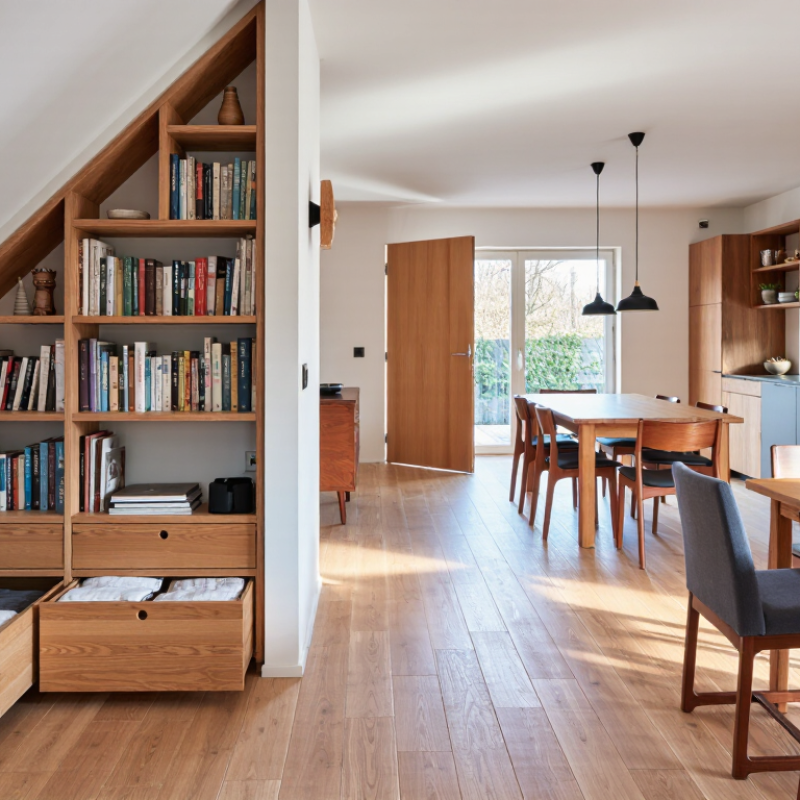
Residential Bespoke Furniture is made around a home’s dimensions, routines, and visual character. A bookcase can fit beneath a sloping ceiling; a dining bench can include drawers for linens. Those details are useful only when they solve real problems. Measure twice. Think about who uses each room, what needs storing, and how the furniture must stand up to daily life.

The Houzz 2024 U.S. Houzz & Home Study reported a median home-renovation spend of $24,000 in 2023. This is a renovation-wide figure, not a bespoke-furniture budget. Still, it shows why careful planning matters: custom pieces compete with other household priorities. Set a realistic allowance for design, materials, delivery, and installation. Ask for an itemized quote, drawings with confirmed dimensions, and physical finish samples before approving production.

Choosing well also means checking the maker’s experience, construction methods, and aftercare. Look closely at drawer movement, edge finishing, joints, and how exposed surfaces may age. Solid wood, veneer, and engineered boards each have trade-offs; no material suits every room or budget. Ask about lead times and what happens if measurements change. Fit is personal. A beautiful cabinet can still feel wrong if its doors block a walkway or its shelves miss the objects you own. This guide explains how to assess your needs, compare proposals, and choose Residential Bespoke Furniture with fewer surprises.
How to Choose Residential Bespoke Furniture?

Define the Furniture’s Purpose, Users, and Functional Requirements

Before choosing a shape or finish, name the job the furniture must do. Is a built-in bench for putting on shoes, storing bags, or both? Who will use it each day, and who might need to use it later? The U.S. Census Bureau’s 2023 household data shows that roughly 29% of U.S. households are one-person households. A piece designed for one person may not suit a home that often hosts family or guests. Start with daily use.

Write down the real tasks. For a desk, note screen size, cable routes, chair height, and whether drawers must open while someone is seated. For a wardrobe, measure hanging clothes and the space needed to open doors. Measure the real routine. A small detail, like a low drawer that catches a skirting board, can make a beautiful design awkward.

Users’ needs can change. AARP’s 2024 Home and Community Preferences Survey found that 75% of adults aged 50 and older want to remain in their current homes as they age. That is a useful prompt to consider easy-to-reach shelves, comfortable seating height, and clear access—not a reason to overbuild for needs that may never arise. Even a careful brief can miss something. Recheck measurements with the people who will use the piece, and be honest about what remains uncertain.

Measure the Space and Identify Layout Constraints

Before choosing residential bespoke furniture, measure the room as it actually is, not as the floor plan suggests. Record each wall at floor, waist, and ceiling height; older rooms can narrow or bow in unexpected places. Note skirting boards, pipes, radiators, sockets, window sills, and door swings. Small details matter.

Leave space for movement. Measure the route from the doorway to the furniture, then mark how far drawers, cupboard doors, and chairs will extend when open. A wardrobe may fit against a wall yet block a light switch. A deep dining bench may look efficient on paper but make the path to the kitchen awkward. Try taping the proposed footprint on the floor. Walk around it. The result can feel different from the drawing.

Share measurements, photos, and a simple room sketch with the furniture maker, and ask them to confirm critical dimensions before fabrication. Include access constraints too: narrow stairways, low ceilings, and tight turns can affect delivery or assembly. A first sketch is often wrong; mine would be, too. Recheck the awkward corner, especially. Measurements reduce surprises, but they cannot capture every daily habit, so consider how people use the room at busy times.

Set a Budget and Select Suitable Materials and Finishes

Set the budget around the finished piece, not just the workshop quote. Include design fees, delivery, installation, hardware, and any wall or floor preparation. Keep 10–15 percent aside for changes; uneven walls and revised measurements can affect the final cost. That allowance feels cautious. It often isn’t. Ask for a written specification with dimensions, fittings, materials, lead time, and payment stages. Compare like with like: a lower quote may exclude drawer runners or installation.

Choose materials for how each piece will be used. Solid timber can be repaired and refinished, but it may move with changes in humidity. Veneered panels offer a consistent appearance and can suit large cabinet doors. For a busy dining table, ask about the finish’s resistance to heat, spills, and everyday cleaning. Samples matter. View them in the room, beside the flooring, and in both daylight and evening light. A finish can look warmer under a lamp. Also ask how to care for it; some coatings show fingerprints more readily than expected. Even careful planning has gaps, so confirm the exact sample and finish in writing before production begins.

Evaluate Furniture Makers, Design Processes, and Craftsmanship

Choosing a residential bespoke furniture maker starts with evidence, not polished photographs. Ask to see completed pieces in homes, where daily use reveals more than a showroom display. A dining table should feel stable when pressed at the corners. Drawer fronts should sit evenly, and doors should open without rubbing. Small details matter. Request references and ask how the furniture has held up after several years.

A dependable design process makes decisions visible. The maker should discuss room dimensions, access routes, household routines, and material preferences before final drawings. Check that drawings show proportions, storage, hardware, and key measurements. Ask when you can review wood or finish samples, and how revisions affect cost and timing. Good communication helps. Yet some choices are hard to judge from a small sample, so request a larger one when color or grain is important.

Craftsmanship shows in joinery, sanding, and the way edges meet. Inspect these details in person if possible, including the underside and back of a piece. Ask how solid wood movement, cleaning, and repairs are handled. A flawless finish is not always practical in a busy home; minor marks may appear with use. Be clear about what level of variation you can accept. No sample guarantees an exact match. A written specification can prevent avoidable surprises.

Approve the Design, Delivery Plan, and Installation Details

Before approving a bespoke furniture design, check the drawings against the room, not just the screen. Confirm overall dimensions, door swings, drawer clearance, and the space needed to walk around each piece. A wardrobe may fit neatly on paper but block a light switch once installed. Ask for finish and fabric samples, then view them in the room’s natural and evening light. Colours can shift noticeably. Keep the approved drawings, material selections, and any changes together in writing. One detail worth revisiting is handle placement; it can look right in a rendering and feel awkward in daily use.

Agree on a delivery plan before production begins. Confirm the estimated date, who will contact you, and whether delivery includes carrying items upstairs or removing packaging. Measure hallways, lift doors, and tight turns, and share those measurements with the maker. A beautiful cabinet cannot pass through a narrow landing. Installation details matter just as much: clarify floor protection, wall fixing requirements, and who is responsible for moving existing furniture. Ask how the finished work will be inspected and how small adjustments will be handled. Plans sometimes change, so record revised dates and decisions promptly. I would leave a little space in the schedule; rushing the final fitting can create avoidable stress.

FAQS

How should I decide what a piece of custom furniture needs to do?

List its daily tasks and users. A bench might hold shoes and bags, while a desk needs room for screens, cables, and open drawers.

What measurements should I take before planning furniture?

Measure walls at floor, waist, and ceiling height. Note skirting boards, pipes, sockets, windows, and door swings. Small details matter.

How can I check whether furniture will block movement?

Mark its footprint on the floor with tape. Open doors and drawers, then walk the usual route. Try it in place.

What should I consider for people who may use the furniture later?

Think about reachable shelves, comfortable seating height, and clear access. Needs can change, though planning for every possibility may be unnecessary.

What should I ask a furniture maker before agreeing to a design?

Ask to see completed pieces in homes and speak with past clients. Check whether drawers align and doors open without rubbing.

What should the design drawings include?

Confirm proportions, storage, hardware, and key measurements. Ask how revisions affect cost and timing. I might overlook something in an early sketch.

How can I judge materials and finishes?

Review samples, and request a larger one when color or grain matters. No sample guarantees an exact match.

What should I check about craftsmanship and future care?

Inspect the joints, edges, underside, and back. Ask about cleaning, repairs, and wood movement. Minor marks may appear with use.

Conclusion

Choosing Residential Bespoke Furniture begins with understanding how each piece will be used, who will use it, and which practical features matter most. Consider everyday routines, storage needs, comfort, durability, and any special requirements before settling on a design. Then measure the room carefully and note doors, windows, walkways, and other features that may affect the furniture’s size or placement.

Set a realistic budget and compare materials and finishes for their appearance, upkeep, and suitability for your home. When assessing furniture makers, ask about their design process, communication, construction methods, and examples of their craftsmanship. Before work begins, review and approve the final design, dimensions, materials, delivery schedule, and installation arrangements. Clear planning at each stage helps ensure the finished furniture fits the space, supports your needs, and complements your home.


Elara

Elara

Elara is a professional marketing specialist dedicated to helping customers better understand innovative products, practical solutions, and the value they can bring to everyday business and personal needs. With a strong understanding of the company’s product portfolio, customer expectations, and......