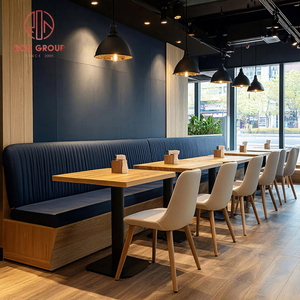
Engineered for high-traffic hospitality, corporate executive suites, and luxury residential developments. Built to international fire safety (CAL 117 / BS 5852) and durability standards.
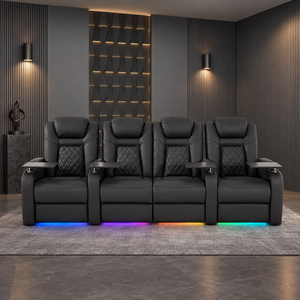
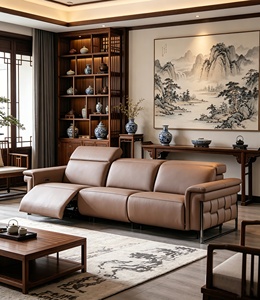
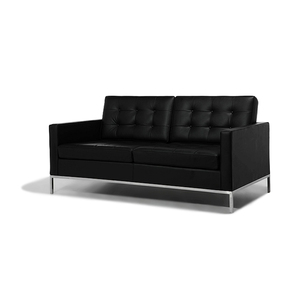
A strategic analysis of OEM/ODM production, supply chain dynamics, engineering compliance, and material innovation for global commercial buyers.
China's commercial furniture sector has undergone a profound technological upgrade. Moving far beyond mass low-cost assembly, leading manufacturers in key industrial clusters—such as Foshan, Dongguan, and the Greater Bay Area—have established sophisticated, automated contract manufacturing facilities. These factories synthesize advanced European machinery (5-axis CNC routers, automated leather nesting cutters) with deep raw material supply chains to deliver unparalleled engineering flexibility for high-volume commercial projects.
For global procurement directors, architects, and hospitality specifiers, sourcing directly from top-tier Chinese suppliers provides a significant Information Gain advantage: direct engineering collaboration, complete dimensional customization without expensive re-tooling fees, and compliance with stringent Western building codes (including CAL 117, BS 5852 fire retardancy, and LEED indoor air quality specifications).
How top China commercial furniture suppliers ensure long-term structural integrity and high-traffic durability.
Commercial seating fails when frames warp. Premium factories use moisture-controlled (8%–12% kiln-dried) Russian Larch or Eucalyptus frames, reinforced with dowelled joints, corner blocking, and heavy-duty steel brackets capable of supporting static loads exceeding 500 lbs per seat.
Cushions are constructed using multi-layer high-density virgin polyurethane foam (ranging from 35 kg/m³ to 55 kg/m³). Combined with memory foam tops or pocketed inner springs, these seat cores maintain structural memory and sag-resistance over 100,000+ continuous compression cycles.
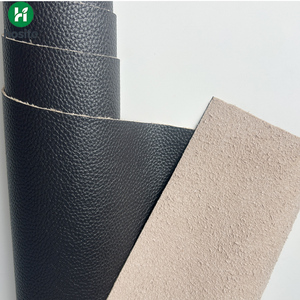
From top-grain Italian cowhide leathers to eco-friendly, scratch-resistant PU and microfiber fabrics passing 100,000+ Martindale abrasion rubs. Stain-resistant, anti-bacterial, and liquid-repellent coatings ensure effortless maintenance in public venues.
| Material / Component | Commercial Grade Standard | Residential Grade Standard | B2B Performance Advantage |
|---|---|---|---|
| Internal Frame | 8-12% Moisture Kiln-Dried Hardwood + Steel Bracing | Air-Dried Softwood / Particle Board | Prevents structural cracking and squeaking under commercial loads. |
| Seat Foam Density | 45 – 55 kg/m³ High-Resilience Virgin Foam | 24 – 30 kg/m³ Standard Recycled Foam | Retains 95%+ shape retention after 5+ years of heavy usage. |
| Fabric Abrasion Rating | > 50,000 – 100,000 Martindale Rubs | 15,000 – 25,000 Martindale Rubs | Extreme wear resistance against severe commercial friction. |
| Fire Safety Compliance | CAL 117, BS 5852 Crib 5, EN 1021 Standard | Basic non-treated covers | Fully compliant with international commercial insurance requirements. |
| Recliner Mechanisms | Dual-Motor Zero Gravity, German OKIN Actuators | Single-motor manual tension levers | Whisper-quiet operation (<45dB), supporting up to 350 lbs payload per seat. |
Key technological shifts, sustainability imperatives, and smart integration driving the future of commercial workspace and hospitality furniture.
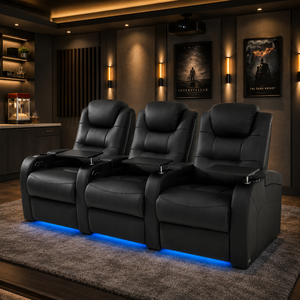
Commercial seating is transitioning from static furniture to tech-integrated wellness hub stations. Modern power recliners and executive sofas now feature integrated dual-motor zero-gravity positioning, high-wattage USB Type-C fast charging ports, wireless charging pads, wireless ambient LED mood control, and motorized lumbar adjustments. Sourcing platforms must prioritize factories with certified electronic assembly lines (CE, UL, PSE certifications).
Post-pandemic hybrid offices, modern cafes, and multi-functional hotel lounges demand adaptable floorplans. Contract buyers are increasingly favoring modular sectional seating systems, customizable bench booth configurations, and quick-connect hardware that allow facility managers to effortlessly reconfigure seating densities according to event requirements.
Global ESG compliance is reshaping procurement criteria. Leading Chinese suppliers are leading the development of bio-based PU synthetic leathers, solvent-free waterborne fabrics, recycled ocean plastics upholstery, and FSC-certified sustainably harvested timbers. Removable upholstery covers and replaceable cushion inserts are also specified to extend product lifespans and reduce landfill impact.
Empowering global enterprise clients with made-to-order manufacturing, end-to-end quality assurance, and seamless turnkey project delivery.
Unlike standardized off-the-shelf suppliers, our production ecosystem operates directly from CAD shop drawings. Every order enters production with tailored dimensional specifications—adjusting overall width, seating depth, backrest height, armrest profile, and timber stain without triggering setup surcharges.
We cater specifically to multi-unit residential projects, boutique hotel fit-outs, corporate office headquarters, and high-end restaurant chains. Our streamlined project workflow guarantees batch-to-batch consistency and complete transparency.
Essential guidance for international buyers, specifiers, and procurement officers sourcing commercial furniture from China.
Our contract manufacturing facility offers flexible MOQs tailored to project scale. For standard catalog models with custom finishes or fabric selections, MOQs start as low as 5 to 10 units. For fully bespoke OEM designs requiring custom tooling or specialized frames, MOQs are evaluated based on batch material efficiency. We also accommodate prototype orders for large-scale hotel or corporate fit-out projects.
All upholstery fabrics, leather covers, interliners, and polyurethane foams used in our commercial products can be formulated with fire-retardant additives upon request. We supply third-party test certificates (SGS, TÜV, Intertek) confirming compliance with California Technical Bulletin 117-2013 (CAL 117), British Standard BS 5852 Crib 5 for hospitality environments, and European EN 1021 parts 1 & 2.
Production lead times generally range from 25 to 35 calendar days following shop drawing confirmation and deposit receipt. For complex multi-container hospitality projects, staged delivery schedules are established. Ocean transit times vary by destination: 12-18 days to US West Coast, 25-35 days to US East Coast, 20-30 days to Western Europe, and 7-14 days to Southeast Asia and Australia.
Yes, our engineering team specializes in interpreting architectural CAD drawings, 3D renderings, and bill of quantities (BOQ) specifications. We perform internal structural engineering feasibility checks, provide value-engineering recommendations to optimize cost without compromising visual aesthetics, and issue full production shop drawings for client sign-off prior to bench cutting.
Every production line operates under strict ISO 9001 Quality Management protocols. We execute a 4-stage inspection process: Raw Material Audit, In-Line Skeleton Assembly Inspection, Upholstery & Stitching Check, and Pre-Packing Final Inspection. Clients are welcome to assign third-party inspection agencies (SGS, AsiaInspection/QIMA) or conduct live video audits prior to container loading.
Consult directly with our commercial engineering team for instant project estimates, material swatches, and factory-direct wholesale pricing.
Contact Us