An authoritative analysis of technical specifications, material integrity, and strategic procurement frameworks for B2B buyers, hospitality developers, and global furniture brands.
The global luxury furniture market has undergone a structural paradigm shift, with China bar cabinets factories positioning themselves at the epicentre of precision craftsmanship, material innovation, and flexible contract manufacturing. Modern commercial hospitality venues, high-end residential developments, and boutique office spaces no longer evaluate bar cabinets, lounge furniture, and storage units purely by aesthetic appeal. Instead, procurement directors, architectural specifiers, and commercial buyers scrutinize structural engineering, environmental compliance (E0/CARB P2 emission standards), surface wear resistance, and hardware endurance.
China's furniture manufacturing ecosystem—centered predominantly in specialized industrial hubs across Guangdong (Shunde, Dongguan, Foshan) and East Asia production clusters—combines state-of-the-art CNC joinery, automated vacuum veneer pressing, and hand-stitched leather upholstery with high-capacity volume execution. Partnering directly with an established bar cabinet factory in China unlocks substantial cost efficiencies without compromising structural integrity. This white paper serves as an exhaustive procurement guide, analyzing factory capabilities, engineering standards, material sourcing choices, and 2025–2030 future design trends.
Selected factory-direct structural designs, modular bar seating, custom upholstered sectionals, and luxury lounge furniture built to international contract specifications.
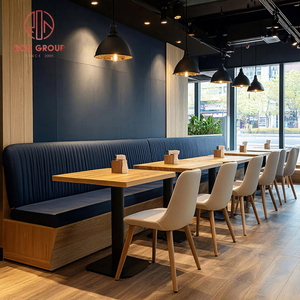
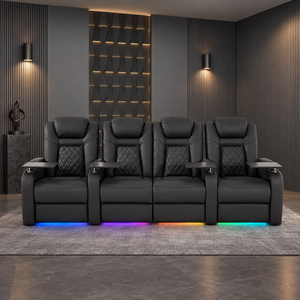
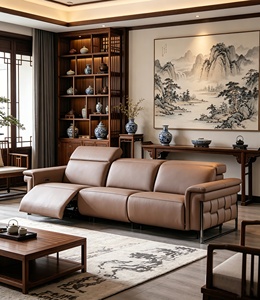
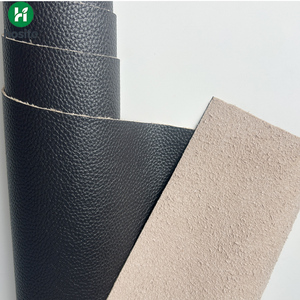
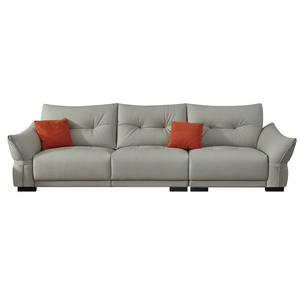
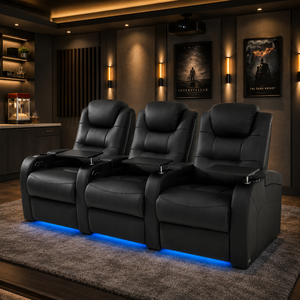
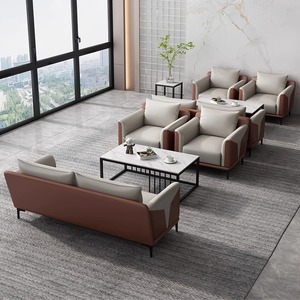
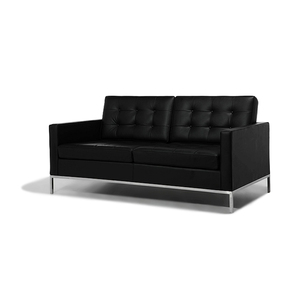
Why leading global brands select specialized Chinese manufacturers for custom bar cabinet and commercial joinery projects.
Structural integrity begins with moisture control. Leading China bar cabinet factories operate computer-controlled steam kiln dryers, reducing solid wood moisture content strictly down to 8%–12%. This eliminates internal stress, preventing warping, checking, or splitting when cabinets are installed across varying climatic zones worldwide.
Bar cabinets carry significant weight in crystal glassware, liquor inventory, and marble counter surfaces. Premium factories employ traditional mortise-and-tenon joints reinforced with heavy-duty dowels, CNC corner blocking, and concealed steel support armatures rated for static loads exceeding 350 kg.
Alcohol spills, citric acid, and high moisture levels can degrade standard furniture finishes. Qualified suppliers apply 5-coat polyurethane lacquer systems or physical vapor deposition (PVD) titanium plating on stainless steel trims, passing 100-hour salt-spray and abrasion resistance tests.
Understanding the distinction between mass-market retail inventory and contract-grade factory manufacturing is vital for commercial specifiers and bulk importers:
| Evaluation Parameter | Standard Mass Market Cabinet | China Top Factory OEM/ODM Grade |
|---|---|---|
| Primary Core Material | Low-density Particle Board / Standard MDF | Kiln-dried Solid Ash/Oak/Walnut or E0 Grade Plywood |
| Moisture Content Control | Unmonitored (14% - 18% Ambient) | Strict Thermostatic Kiln Drying (8% - 12% Sealed) |
| Hardware & Glides | Generic Non-Branded Friction Slides | Blum / DTC Soft-Close Dampened Concealed Hinges |
| Glass & Lighting Elements | 3mm Untempered Glass / Basic Strip LED | 6mm Tempered Smoked Glass / Integrated 3000K CRI90+ LED |
| Formaldehyde Emission Standard | E2 Standard (May off-gas) | E0 Grade / CARB Phase 2 / US TSCA Title VI Certified |
| Customization Versatility | Fixed Dimensions & Colors Only | 100% Tailored Dimensions, Finishes, & Internal Layouts |
When selecting a Chinese bar cabinet manufacturing partner, direct verification of factory physical infrastructure is essential. Top-tier factories maintain full ISO9001 quality management certifications, FSC timber chain-of-custody tracking, and localized assembly lines where frame construction, wood veneering, metal fabrication, and upholstery are executed under one roof. This integrated production chain ensures total control over tolerances, preventing assembly errors during international delivery.
Key design evolution vectors driving buyer inquiries and architectural specifications in high-end residential and hospitality developments.
Modern luxury bar cabinets are evolving beyond static wooden furniture. Commercial buyers increasingly demand embedded thermoelectric wine chillers, motor-driven pop-up liquor platforms, and touch-to-open motorized pocket doors with integrated low-heat LED lighting strips.
Environmental governance is reshaping contract furniture specifications. Leading China manufacturers are adopting water-based eco-friendly polyurethane coatings, bio-based microfibers, recycled metallic trims, and FSC-certified timbers to meet stringent EU RED and US Lacey Act compliance requirements.
Spatial efficiency drives contemporary urban interior design. Factories are shifting toward modular bar cabinet systems that seamlessly transform from compact credenzas into sprawling full-height wall entertainment bars equipped with sliding brass racks, marble prep stations, and concealed humidor drawers.
Clear, expert insights addressing common logistics, engineering, customization, and factory production inquiries.
For fully customized OEM/ODM bar cabinets featuring bespoke dimensions, custom wood stain matching, and proprietary hardware integrations, standard factory MOQs typically range from 5 to 10 units per design. However, for large-scale hospitality or real estate contract orders, MOQs are evaluated by total container volume (e.g., 20ft or 40ft HQ FCL), allowing mixed-item consolidation across bar stools, sofas, and cabinet suites.
Export-grade bar cabinet factories employ a rigorous three-step protection protocol: First, timber is kiln-dried to 8–12% equilibrium moisture content. Second, all wooden surfaces (including back panels and underside joints) are sealed with polyurethane moisture-barrier primer coats. Third, finished goods are wrapped in anti-humidity sealed poly-bags with industrial desiccant packs before enclosed in heavy-duty ply-wood crating.
Yes. Custom engineering drawings (2D CAD & 3D Rendering approval) are generated prior to production. Internal dimensions can be cut to exact millimeter specifications to accommodate specified beverage coolers, ice makers, humidor drawers, slide-out glass racks, and integrated electrical wiring channels compliant with US UL or European CE electrical standards.
Standard production lead times range between 25 to 45 calendar days depending on order complexity, timber species availability, and hardware finish requirements. Sample prototyping typically takes 10 to 15 days. Express production scheduling is available for urgent commercial fit-out projects.
Strict quality control routines follow ISO 2859-1 (AQL 2.5 Major / 4.0 Minor) guidelines. Every piece undergoes full pre-assembly inspection: verifying dimensional tolerance, finish consistency, door alignment, weight-bearing hinge smooth operation, electrical LED safety checks, and drop-impact packaging testing.
Executing successful offshore procurement requires evaluating a factory's structural capabilities across four key operational pillars:
Demand documented mill certificates confirming wood species (e.g., North American Walnut, European White Oak) and verify that all adhesives and lacquers comply with non-toxic VOC emission thresholds (CARB P2 / E0).
Ensure cabinet hinges, magnetic catches, and drawer slides utilize world-class hardware systems such as Blum, DTC, or Sugatsune rated for minimum 100,000 open-close cycles under full dynamic load.
Confirm that marble tops, mirror panels, and lacquered cabinet bodies are crated in ISTA-certified 5-ply corrugated master cartons reinforced with honeycomb corner guards and solid fumigated wooden crates.
Connect directly with our engineering team to review 2D/3D CAD shop drawings, request timber material swatch boards, and receive competitive factory-direct pricing for your next project.