Engineered to meet rigorous BIFMA and EN standards. Built with kiln-dried hardwoods, high-density rebound foam, and precision joinery for commercial fit-outs and high-end retail distribution.
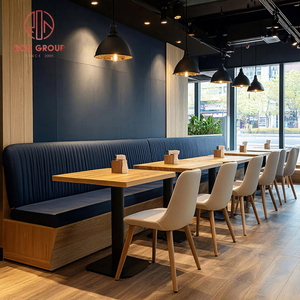
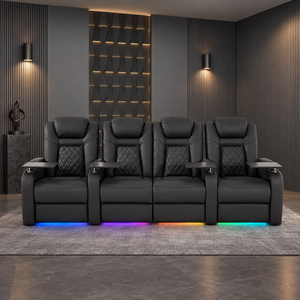
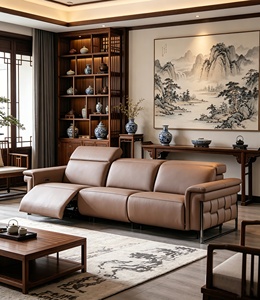
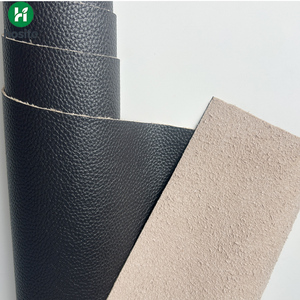
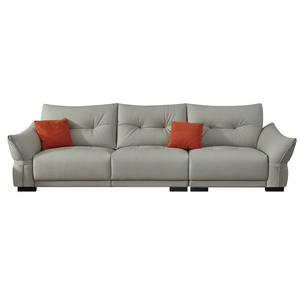
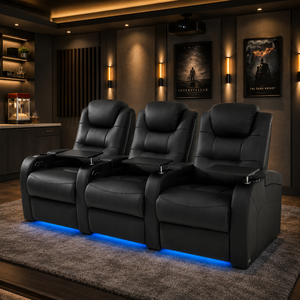
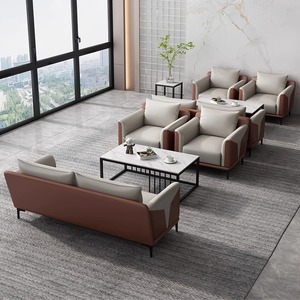
An authoritative whitepaper analyzing supply chain shifts, material engineering innovations, logistics optimization, and value creation for global furniture importers, hospitality specifiers, and brand distributors.
Executive Summary: The global coffee table and occasional furniture market is undergoing a structural transition toward modularity, material hybridity, and strict environmental compliance. For international buyers sourcing from China, achieving a sustainable competitive edge requires shifting from pure unit-cost negotiation to total landed-cost engineering and OEM co-development.
Modern commercial coffee table manufacturing has moved beyond simple solid wood or basic MDF designs. Leading Chinese exporters now combine sintered stone (porcelain slabs resistant to thermal shock and scratching), aerospace-grade anodized aluminum frames, and FSC-certified solid oak or walnut veneers. Understanding how these hybrid materials bond under varied climatic moisture conditions is critical to reducing post-delivery warranty claims.
Container ocean freight volatility makes Cubic Meter (CBM) optimization a vital lever for margin enhancement. State-of-the-art Chinese factories utilize 3D CAD KD (Knock-Down) structural design. By engineering nesting coffee table configurations and detachable legs with concealed steel fasteners, exporters can increase container loading capacity by 35% to 50%, effectively driving down per-unit shipping expenses.
Western regulatory frameworks (such as US CARB Phase 2, EU REACH, and UK Timber Regulation) require strict compliance regarding formaldehyde emissions and chemical VOCs. Premium Chinese manufacturers have scaled zero-VOC water-based polyurethane and UV-curable lacquer lines. This transition guarantees that mass-produced coffee tables meet eco-certification requirements without sacrificing surface hardness or liquid stain resistance.
To mitigate risks in bulk furniture procurement, professional buyers require full transparency into timber moisture controls, joint strength, and structural integrity testing protocols.
| Specification Criteria | Direct OEM/ODM Factory Production | Conventional Commercial Wholesaler | B2B Buyer Benefit / Gain |
|---|---|---|---|
| Timber Moisture Content | Automated Kiln-Dried (8% - 12% Target Range) | Air-dried or variable (15% - 20%) | Eliminates cracking, warping, and seasonal joint expansion. |
| Frame Joinery & Hardware | Double-Dowelled, Corner-Blocked + M6 Steel Bolt Inserts | Standard pocket screws or staple-only joinery | Commercial load rating > 250 kg; anti-wobble longevity. |
| Surface Finish Durability | 5-Coat Nanotech Water-Based or UV Lacquer Finish | Standard 2-coat NC (Nitrocellulose) spray finish | High resistance to hot coffee spills, alcohol stains, and scratching. |
| Customization Flexibility | CAD CAD/CAM Bespoke Dimensions, Veneers, & Marble Specs | Fixed stock catalog items only | Allows precise fitment for hotel, office, and retail projects. |
| Quality Inspection (QA) | In-line 4-Stage QC (Raw Material, Frame, Surface, Packaging) | Final visual spot-check before shipping | Defect rates controlled under 0.3% per container lot. |
Combining master workshop craftsmanship with modern industrial output. Every piece of furniture entering production follows an architectural drawing workflow to ensure precise dimensions and finish fidelity.
We work directly from CAD/3D render files provided by interior designers and commercial procurement agents. Table height, tabletop radius, leg taper, timber species, and upholstery fabrics can be customized per project tier without re-tooling delays.
Humidity variations during international transport often cause timber furniture to warp or crack. Our facility utilizes computer-controlled kiln dryers to lock timber moisture content between 8% and 12%, preserving dimensional stability across all global climate zones.
From high-traffic cafe chain seating to luxury hotel lobby coffee tables, our production facility supports repeatable specifications, physical sample approval, and staged container shipments tailored to grand opening schedules.
Built for long-term commercial value. Our upholstered companion coffee table sets and seating feature replaceable cushion cores, modular hardware components, and removable fabric covers—allowing hospitality operators to refresh pieces cost-effectively over time.
Direct technical answers to clear up questions about MOQs, material specs, ocean freight packaging, and quality guarantees.
Our standard production MOQ is typically 20 to 50 pieces per model for custom solid wood or metal coffee tables. However, for full container load (FCL) multi-item commercial projects (such as hotel lobby or apartment fit-outs), we offer flexible mixed-model consolidation across our seating and coffee table lines to optimize your container volume.
All stone, glass, and sintered tabletops undergo a specialized export packaging process: First, the surface is sealed with a protective PE film, encapsulated in 20mm thick shock-absorbing EPE foam, and encased inside a 5-ply corrugated carton. Finally, the carton is crated within a heavy-duty, fumigated solid wood frame with corner protectors, ensuring zero drop-impact movement during container loading and transit.
Yes. We regularly source FSC-certified solid oak, walnut, and ash timbers for eco-conscious global buyers. Furthermore, for commercial hospitality installations, all upholstered companion seating and leather/fabric elements can be specified to meet international fire safety regulations, including US CAL 117 and UK BS 5852 standard crib 5 tests.
Custom CAD sample development takes roughly 10 to 15 business days upon drawing approval. Mass manufacturing lead times for standard FCL orders range between 30 and 45 days, depending on timber kiln-drying cycles, hardware complexity, and surface finish requirements.
Timber movement is driven by moisture equilibrium changes. By strictly controlling raw timber kiln-drying to an 8%–12% target moisture content and applying sealers across all hidden end-grains, we stabilize the internal wood cell structure. This engineered approach prevents cracking or swelling when products move from humid Asian manufacturing ports to dry or heated indoor environments across North America and Europe.
Absolutely. As an experienced B2B manufacturer, we provide complete private-label services. This includes custom logo laser-etching on wooden frames, branded hardware plates, customized carton printing, barcodes, and drop-ship test (ISTA 3A) e-commerce protective packaging.
Connect directly with our engineering team to review CAD drawings, obtain wood & fabric swatches, or calculate CBM container shipping estimates for your next order.