Directly engineered for commercial projects, wholesale importers, hotel chains, and retail furniture brands worldwide.
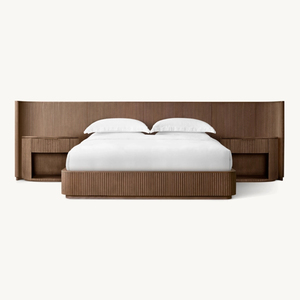
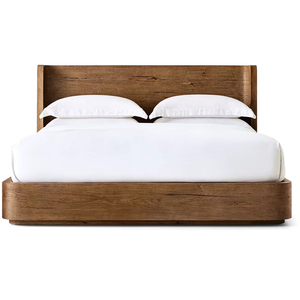
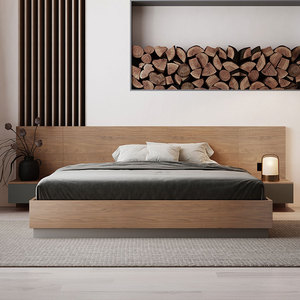
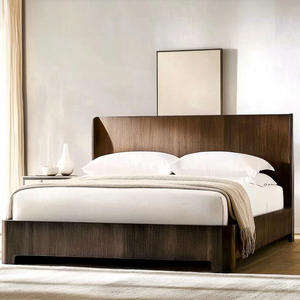
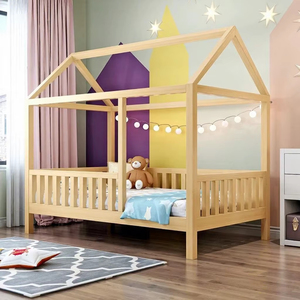
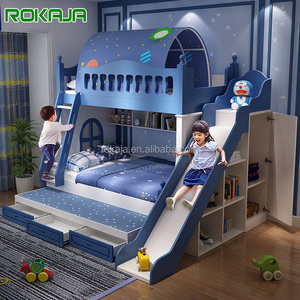
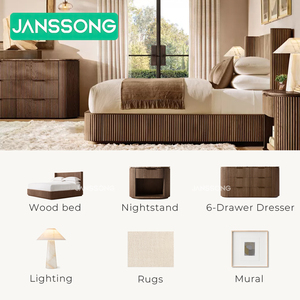
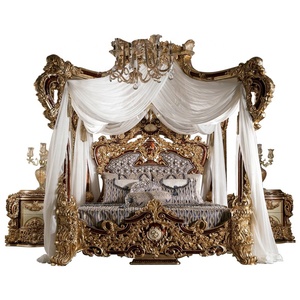
The global contract furniture market has undergone a fundamental structural shift. Importers, hotel developers, and retail brand procurement directors sourcing from China wooden bed manufacturers and factories now demand far more than competitive unit pricing. Modern sourcing strategies prioritize structural engineering reliability, eco-systemic timber compliance, precision knock-down (KD) joinery, and supply chain transparency.
As a premier OEM/ODM manufacturing hub, our production infrastructure bridges traditional solid wood artisanal joinery with high-throughput 5-axis CNC machining. Whether specifying American White Oak, European Beech, FAS-grade Black Walnut, or engineered high-density MDF substrates for large-scale multi-unit housing fit-outs, understanding the underlying manufacturing mechanics is vital to preventing post-installation structural fatigue, dimensional warping, and warranty claims.
The single primary point of failure in exported solid wood bed frames stems from moisture imbalance between the origin factory environment and the destination market's Equilibrium Moisture Content (EMC). High-end Chinese manufacturers mitigate this risk through a rigorous 3-stage timber conditioning procedure:
Commercial-grade bed frames must withstand dynamic structural loads far exceeding standard residential stress tests. Our manufacturing facilities implement reinforced joinery standards engineered for longevity and effortless assembly:
How consumer preferences, hospitality standards, and logistics economics are reshaping direct factory specifications.
Rising global ocean freight volatility has forced factories to re-engineer solid wood beds into fully knock-down (KD) structures. By designing extended shelter headboards and split platform frames, factories achieve up to 40% reduction in CBM, drastically lowering freight cost per unit without sacrificing structural rigidity.
B2B buyers face stringent corporate sustainability directives. Leading Chinese exporters now offer 100% FSC-certified timber chains of custody, ultra-low VOC water-based polyurethane finishes, and zero-formaldehyde CARB Phase 2 / EPA TSCA Title VI compliant composite cores for upholstered headboard backing.
Modern hospitality and apartment bed specifications increasingly demand integrated tech modules: concealed wireless Qi charging pads flush-mounted into solid oak headboards, subtle under-bed LED motion sensing nightlights, and touch-activated ambient headboard backlighting.
Selecting the appropriate timber spec is a strategic balance between aesthetic appeal, structural durability, regional climate tolerance, and target retail price points. Below is an engineering overview of key timber species and material combinations used in modern Chinese furniture manufacturing:
| Timber / Material Species | Janka Hardness (N) | Dimensional Stability | Primary Commercial Application | Cost Index |
|---|---|---|---|---|
| FAS American White Oak | 6,000 N | High (Kiln Dried) | Luxury Residential, Boutique Hotel Guestrooms | Premium ($$$$) |
| European Ash Wood | 5,800 N | Excellent | Nordic Minimalist Furniture, Steam-Bent Frames | Mid-High ($$$) |
| Solid Rubberwood (Hevea) | 4,350 N | Moderate to High | Mass Market Retail, Multi-family Housing, Bunk Beds | Economy ($$) |
| E1/CARB P2 MDF with Natural Veneer | N/A (Engineered) | Ultra-High (No Warping) | Tatami Storage Beds, Extended Wall Panel Systems | Cost-Effective ($) |
| FAS North American Walnut | 4,490 N | High | Executive Suites, Luxury Canopy & Shelter Beds | Ultra-Luxury ($$$$$) |
While 100% solid wood remains the benchmark for heirloom-quality retail collections, commercial procurement frequently utilizes Hybrid Solid-Engineered Architecture. By combining solid hardwood for structural load-bearing legs and corner posts with thick natural-timber-veneered high-density particleboard or MDF for large flat surfaces (such as headboard panels and storage side rails), factories deliver zero-warping performance across changing seasonal humidities while optimizing budget allocation.
We operate a dedicated manufacturing ecosystem designed explicitly for made-to-order contract supply, custom sizing, and repeatable batch precision.
Essential technical answers for purchasing managers, furniture buyers, and project specifiers.
Our standard production MOQ typically starts at 30 to 50 units per model for standard solid timber configurations. For multi-unit commercial hospitality projects or custom apartment fit-outs, we offer mixed-container consolidation allows buyers to combine multiple bed styles, nightstands, and soft seating in a single 40ft HQ container.
We employ strict moisture control protocols. All timber undergoes Radio Frequency (RF) kiln drying to lock core moisture between 8% and 12% before production. Additionally, sealed surface coats, stress-relieving relief grooves on back panels, and floating panel construction allow the wood to expand and contract naturally without structural splitting.
Yes. We regularly manufacture for North America, Europe, Australia, and the Middle East. We comply with UK BS5852 and US CAL 117 fire-retardant foam/fabric specifications, CARB Phase 2 / EPA TSCA Title VI formaldehyde emission limits for composite woods, and FSC certified timber sourcing upon request.
Sample prototyping typically takes 10 to 15 days upon CAD drawing and material sample sign-off. Full container production (40ft HQ) generally requires 30 to 42 days, depending on timber species availability, carving complexity, and finish requirements.
Most export models are flat-packed in high-density 5-ply double-corrugated cartons with EPE foam edge protectors and corner guard blocks. Headboards, side rails, and platform slats are packaged modularly to maximize container CBM efficiency, accompanied by step-by-step assembly hardware and pictorial manuals.
Absolutely. We provide comprehensive private-label OEM services, including custom laser-etched brand logos, custom hardware finishes (brushed brass, matte black, gunmetal), customized carton printing, and bespoke barcode labeling tailored for direct-to-consumer (D2C) e-commerce brands or contract buyers.
Whether you require custom CAD development, material sample swatches, or a competitive quotation for container volumes, our technical sales engineers are ready to assist.