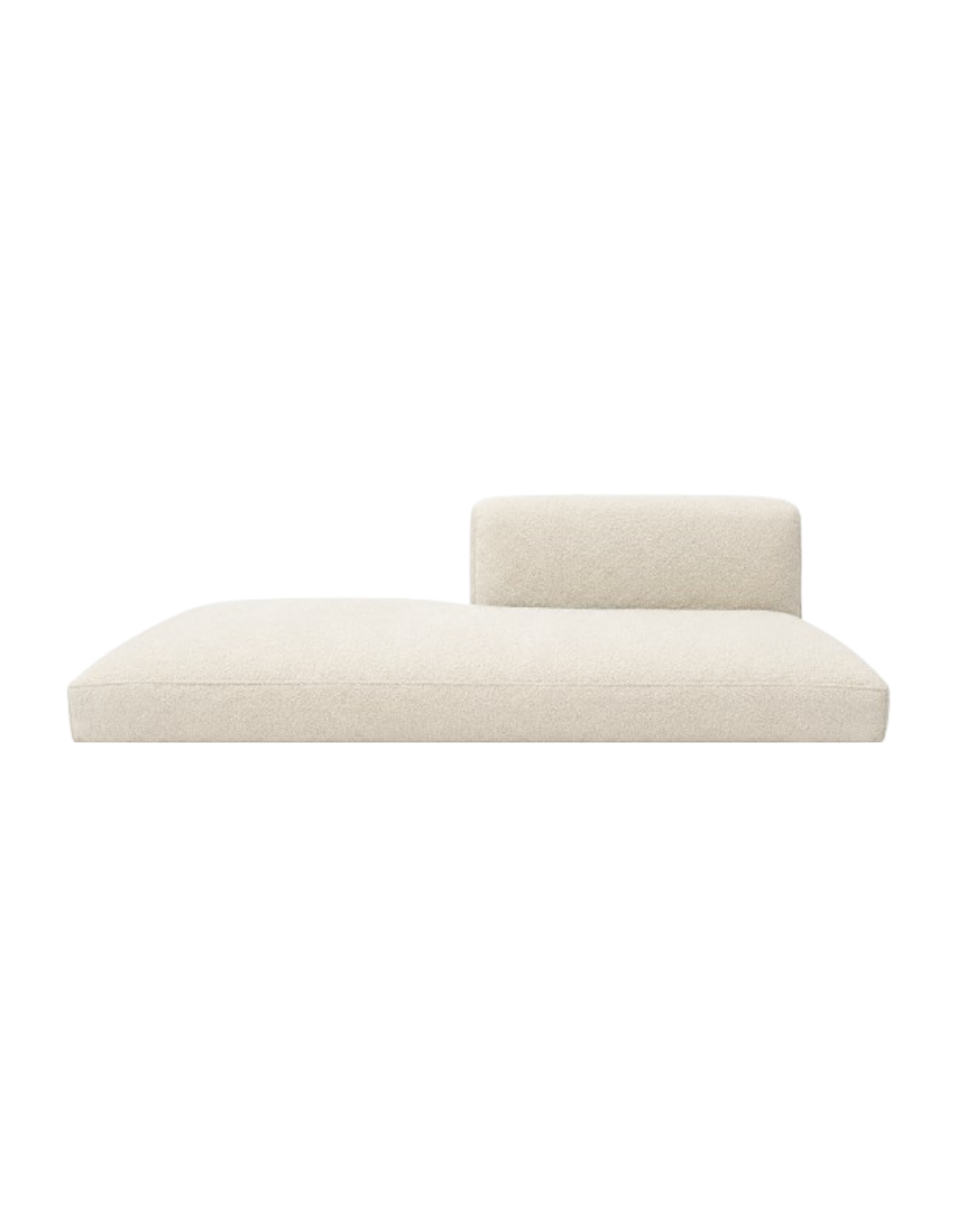
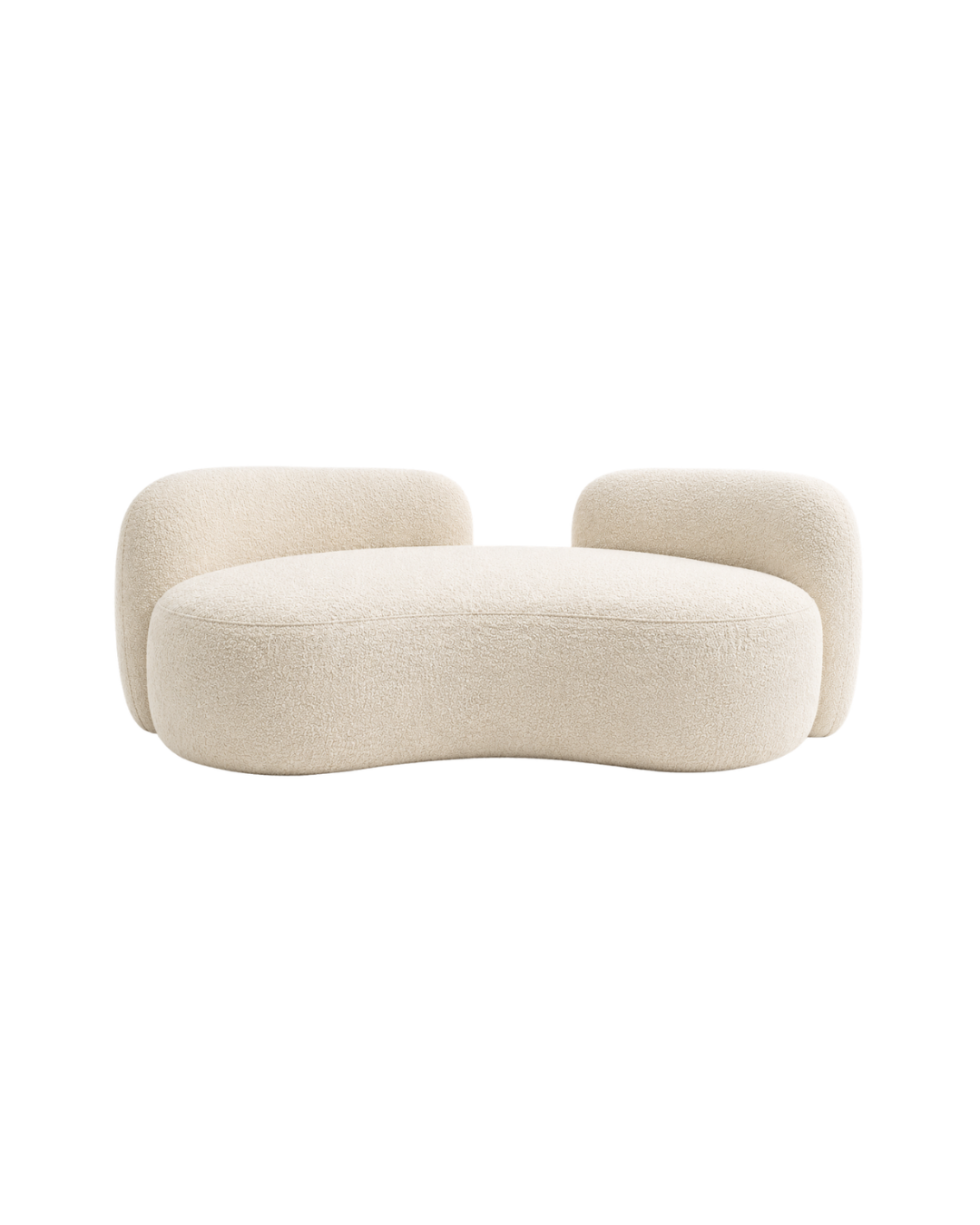
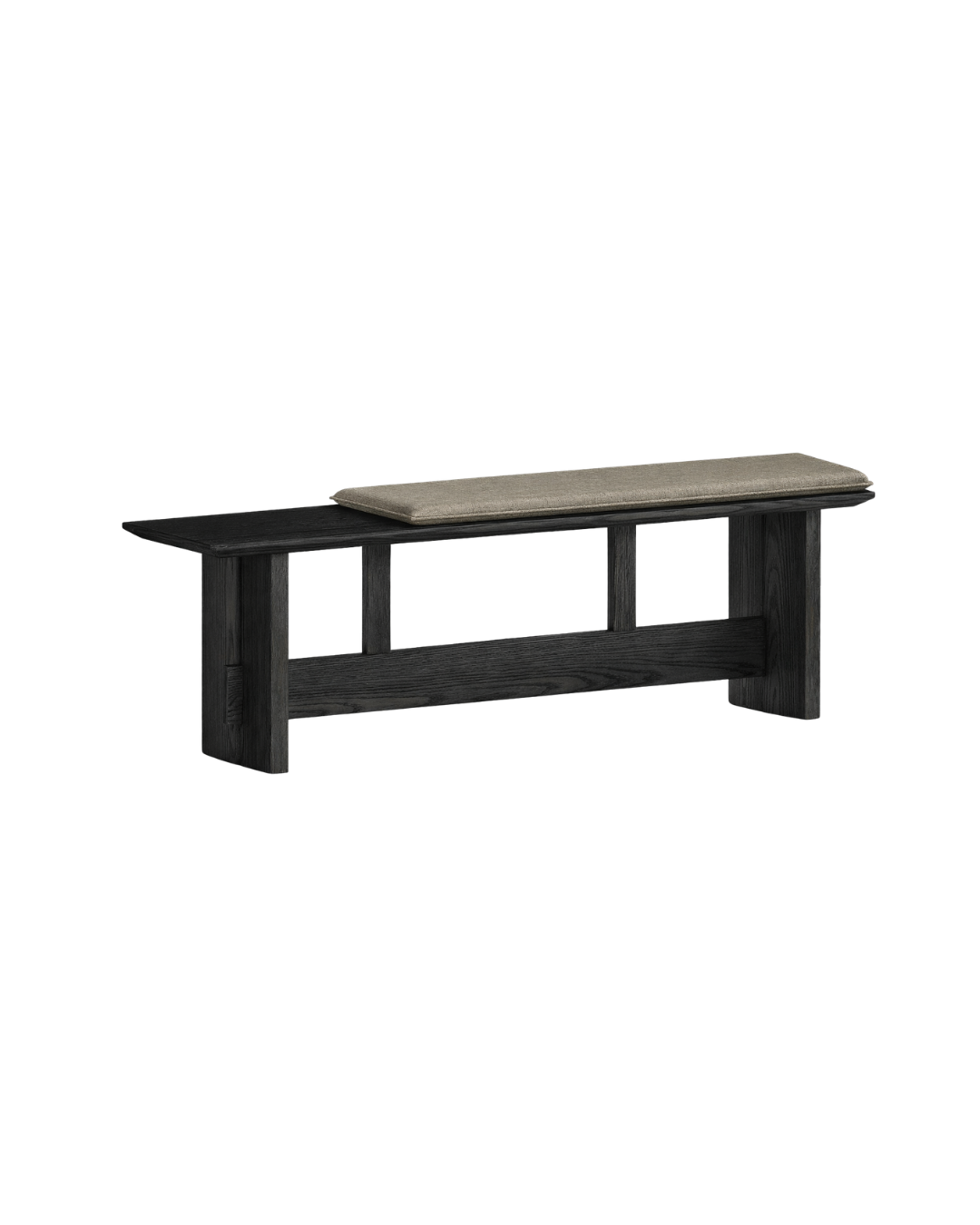
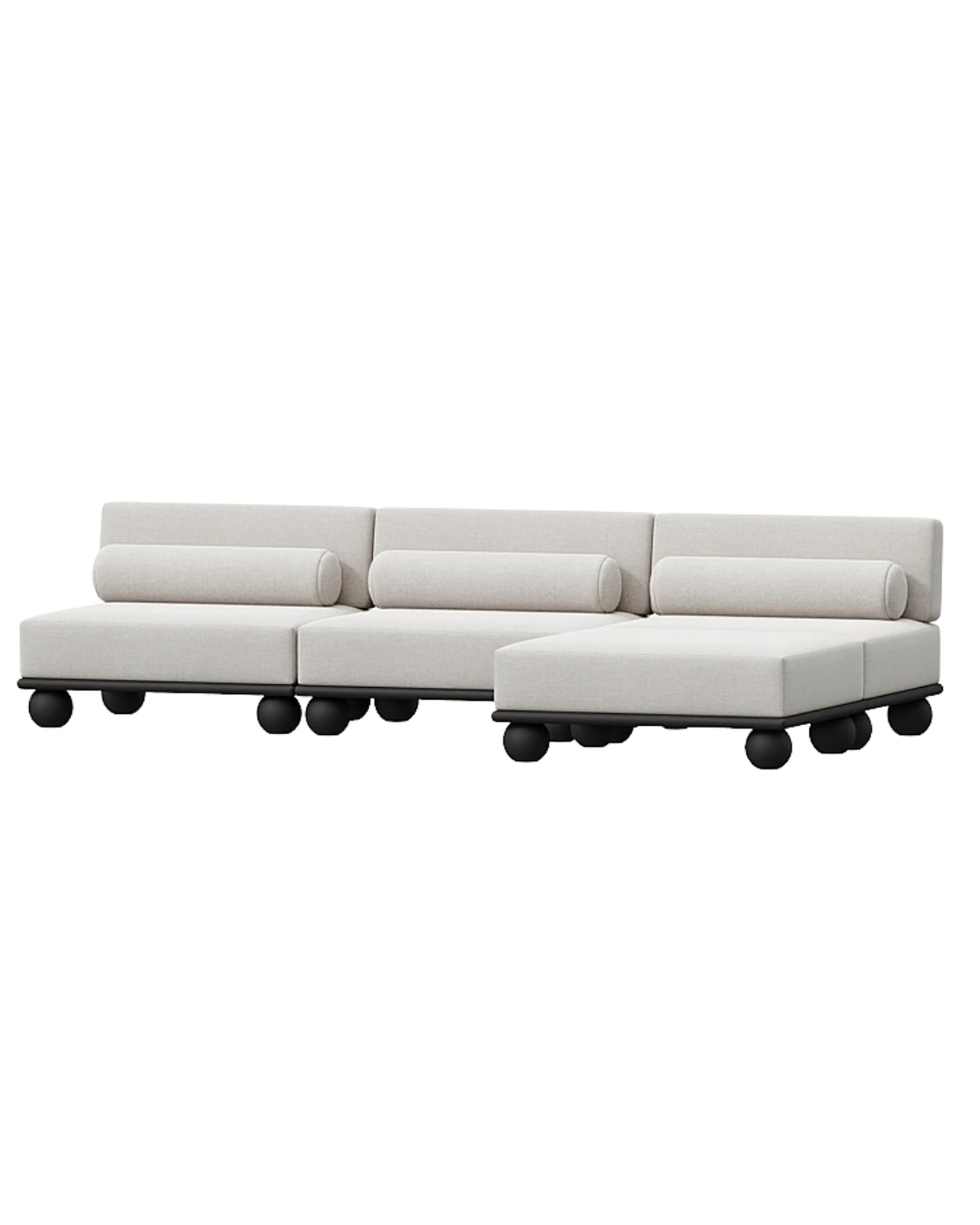
Q1: How do kiln-dried hardwood frames prevent warping and joint failure in custom sofas shipped across global climate zones?
Timber contains natural moisture that responds to atmospheric humidity. Uncontrolled timber expands in humid environments and shrinks in dry, heated environments, leading to frame squeaking, joint loosening, and wood splitting. Pouffie processes all solid mahogany and teak frames through computer-controlled drying kilns until the Equilibrium Moisture Content (EMC) stabilizes between 8% and 12%. This technical threshold ensures that custom sofas exported to freezing dry winters in North America or desert heat in the Middle East maintain structural stability without dimensional movement.
Q2: What fabric abrasion rating and fire retardancy standards should be specified for commercial custom sofas?
For high-traffic commercial environments such as hotel lobbies, restaurants, and corporate waiting areas, fabrics should be specified with a minimum Martindale rub count of 40,000 to 100,000 double rubs (Wyzenbeek method). Additionally, contract custom sofas must meet localized flame retardancy building codes: California Technical Bulletin 117-2013 (CAL 117) for North America, or British Standard BS 5852 Ignition Source 5 (Crib 5) for the UK and European commercial projects. Pouffie offers certified flame-retardant foam inserts and fire-treated textiles upon specification.
Q3: Can Pouffie customize inner seat cushion firmness, foam density, and ergonomic seat pitch?
Yes. Cushion comfort is an exact science determined by foam density (measured in kg/m³) and Indentation Load Deflection (ILD). For upright office or dining lounges, we engineer firmer bases using 40kg/m³ - 50kg/m³ high-resilience polyurethane foam. For residential or executive relaxation lounges, we layer a 35kg/m³ core foam with a plush memory foam topper or a channeled duck-feather envelope. Seat depth, seat height from the finished floor, and backrest angle pitch can all be modified precisely according to your ergonomic requirements.
Q4: What is the step-by-step workflow for placing a B2B custom sofa order with Pouffie?
The procurement workflow follows five structured phases: (1) Brief & Concept Review: You provide spatial dimensions, floor plans, or reference renders. (2) Technical Shop Drawings: Our engineering team produces 2D/3D CAD shop drawings detailing inner frame construction, joinery, and foam layering for your written approval. (3) Material & Sample Sign-Off: Finish stain swatches, wood samples, and upholstery swatches are dispatched for physical review. (4) Bench Production & QA: Frame assembly, webbing tensioning, foam gluing, and custom tailoring take place in our Jakarta facility under strict quality checks. (5) Crater Packaging & Shipping: Finished pieces are wrapped, corner-blocked, crated in ISPM 15 timber containers, and loaded for ocean freight dispatch.
Q5: How does direct-from-manufacturer sourcing of custom sofas compare with purchasing pre-made wholesale inventory?
Sourcing directly from a custom manufacturer eliminates distributor markups, reduces middleman agency fees, and allows 100% spatial optimization. Pre-made wholesale stock forces designers to compromise on fixed dimensions, restricted color palettes, and standardized cushion density. Direct factory collaboration with Pouffie enables complete freedom over timber species, custom metal sub-frames, exact upholstery grade, integrated power/USB ports, and modular sizing specifically engineered to fit your floor plan perfectly.
Q6: Does Pouffie accommodate Customer's Own Material (COM) for custom sofa manufacturing?
Absolute transparency and client flexibility are core principles of our operations. While we maintain extensive swatches of premium textiles, performance velvets, top-grain leathers, and outdoor acrylics, we routinely accept Customer's Own Material (COM) and Customer's Own Leather (COL). Our cutting team will calculate the exact linear yardage required based on pattern repeat matching (railroaded or upright) to optimize fabric yield and reduce wastage.