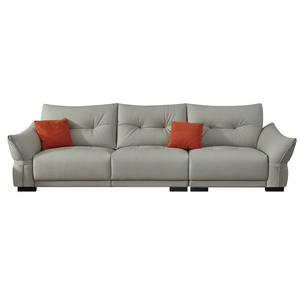
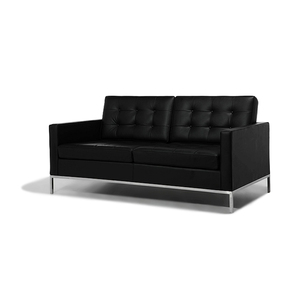
Factory-direct dining sets, extendable tables, restaurant booth seating, and luxury leather suites engineered for the Jakarta market.
The Metropolitan Jakarta region—spanning Special Capital Region (DKI Jakarta), Tangerang Regency (including Indonesia Design District PIK 2), BSD City, Kemang, and South Jakarta—is experiencing an unprecedented surge in luxury residential developments, high-density apartment complexes, and upscale commercial food & beverage (F&B) venues. As interior designers, commercial contractors, and project specifiers demand elevated aesthetic values paired with structural endurance, the trade bridge between top-tier Chinese dining table manufacturers and Indonesian buyers has become a cornerstone of local real estate development.
Sourcing dining tables and commercial restaurant seating directly from premier Chinese exporters provides unprecedented advantages in engineering versatility, material choices, and economies of scale. However, navigating the Jakarta market requires nuanced understanding of localized environmental factors, regional architectural preferences, custom import clearance protocols through Port of Tanjung Priok, and ASEAN-China Free Trade Area (ACFTA) duty structures. This white paper serves as an authoritative guide for Indonesian B2B buyers seeking to optimize their supply chain while securing superior product craftsmanship.
Key Strategic Takeaway: Procurement teams in Jakarta can reduce total landed costs by up to 28% by utilizing ACFTA Form E preferential certificates while maintaining strict compliance with Indonesian National Standards (SNI) and tropical moisture stabilization specs.
| Metric / Feature | Direct Chinese Manufacturer Procurement | Local Jakarta Wholesaler Stock |
|---|---|---|
| Dimensional Customization | 100% Tailored to Floor Plans (mm-level precision) | Fixed standard dimensions only |
| Material Specification | Kiln-dried hardwoods, Sintered stone, Top-grain leather | Pre-selected standardized batch materials |
| B2B Unit Cost Savings | 30% - 45% lower than local distributor margins | High local markup due to warehousing overhead |
| ACFTA Form E Advantage | 0% Import Duty applicable under bilateral trade terms | Import duties absorbed into higher wholesale prices |
Jakarta’s tropical monsoon climate presents severe challenges for interior woodwork. With relative humidity (RH) fluctuating between 75% and 90% alongside ambient temperatures consistently exceeding 30°C, inferior wooden furniture sourced from non-specialized factories is prone to swelling, structural warping, seam cracking, and biological decay caused by wood-boring insects and mold.
Leading Chinese exporters dedicated to the Indonesian market implement rigorous multi-stage kiln-drying procedures. Timber used for solid wood dining table frames, pedestal bases, and table legs undergoes vacuum thermo-hygrometric treatment until equilibrium moisture content (EMC) reaches a tight 8% to 12% tolerance. This precise threshold prevents dimensional expansion when furniture is installed in air-conditioned interiors across SCBD, PIK 2, or tropical open-air commercial dining verandas in Senopati.
To ensure long-term physical stability and high ROI for Jakarta commercial fit-outs, leading suppliers combine solid timber skeletons with advanced surface engineering:
Mortise-and-tenon jointed Russian Birch, Oak, or Teak skeletons treated with eco-friendly anti-termite compounds to resist humidity fluctuations.
Zero-porosity surfaces impervious to hot soup stains, sambal spills, and thermal shocks up to 1200°C—ideal for high-turnover Indonesian dining environments.
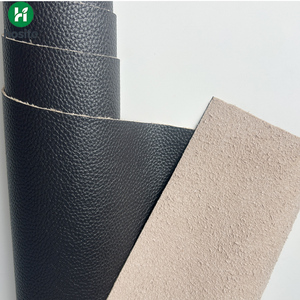
45kg/m³ high-density memory foam padding with high-rebound cell structure, wrapped in breathable top-grain cowhide or micro-porous eco-PU leather.
Understanding where and how imported dining tables and commercial seating systems are deployed is critical for architects, developers, and purchasing agents in Indonesia. Our export furniture solutions cater to four distinct regional procurement drivers:
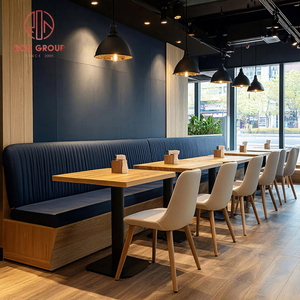
In high-end commercial hubs such as North Jakarta's Pantai Indah Kapuk (PIK 2) and historic culinary districts in Menteng, restaurant operators require seating systems that maximize covers per square meter without sacrificing guest comfort. Rectangular pale wooden tables paired with custom leather sofa booths provide an elegant, easy-to-clean solution that handles constant customer traffic while preserving a modern aesthetic.
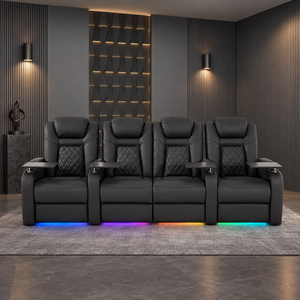
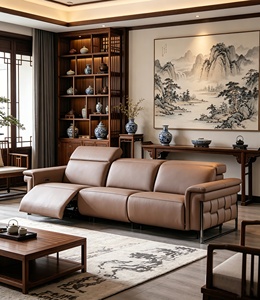
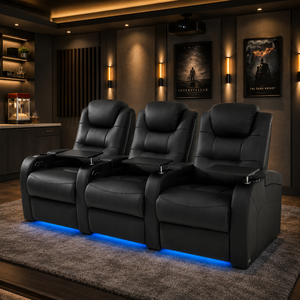
South Jakarta villas in Pondok Indah and sprawling residences in BSD City favor extendable solid wood dining tables equipped with silent, dual-motor powered extension mechanisms or nested leaves. These tables seamlessly transform from intimate family dining configurations (6 seats) into expansive banquet tables (10-12 seats) for holiday gatherings, integrated alongside power-reclining home theater or lounge seating.
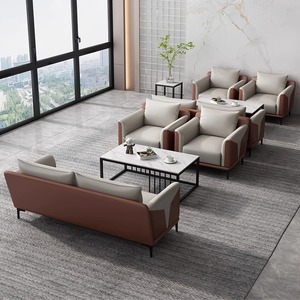
Modern corporate headquarters in Jakarta’s financial triangle require multi-functional executive dining and conference tables. Light-luxury dining sets featuring integrated wire management channels, solid wood legs, and full-grain leather armchairs allow executive suites to double as private client dining rooms and collaborative strategy hubs.
The Indonesian interior design landscape is undergoing rapid evolution, influenced by global architectural standards and local lifestyle demands:
Everything commercial purchasers, procurement heads, and interior specifiers need to know about importing dining furniture from China into Indonesia.
Leading Chinese exporters ship full container loads (FCL) or less-than-container loads (LCL) directly to Port of Tanjung Priok (Jakarta). Working with experienced forwarders who understand Indonesian customs (Bea Cukai), suppliers provide comprehensive documentation including Commercial Invoice, Packing List, Bill of Lading, and Form E Certificate of Origin to guarantee smooth green-lane customs clearance.
Under the ASEAN-China Free Trade Area (ACFTA) agreement, issuing an authentic Form E Certificate reduces import duties on eligible furniture categories (HS Code 9403) from standard rates of 5%-15% down to 0% preferential tariff. This significantly lowers the landed cost for commercial projects in Jakarta.
Yes. Unlike off-the-shelf retail outlets, our production processes begin with detailed CAD shop drawings. Dimensions, timber species, edge profiles, surface finishes, foam densities, and upholstery fabrics are fully customizable to meet exact project specifications for residential or commercial fit-outs.
All furniture items undergo multi-layer export packaging: moisture-absorbing desiccant packs are enclosed within sealed PE bags, followed by protective EPE foam wrapping, heavy-duty corner guards, and 5-ply corrugated outer cartons. For solid wood dining tabletops, custom wooden crates are constructed to eliminate bending forces during sea transport.
Production lead time typically ranges between 15 to 25 business days depending on custom material selection and order volume. Sea transit from major South China ports (such as Shenzhen, Guangzhou, or Ningbo) to Tanjung Priok, Jakarta takes approximately 7 to 12 days, ensuring total turnaround times under 5 weeks.
As a specialized custom furniture manufacturer serving international markets, our workshop model is engineered for flexibility, precision, and reliable contract delivery. Rather than operating as a rigid mass-production assembly line, every dining table set, sofa booth, and executive seat is built to order based on strict engineering parameters.
Before any container is sealed for export to Tanjung Priok, our dedicated Quality Assurance (QA) team conducts a rigorous 4-step inspection process:
Partner with China's leading exporter of custom dining tables, commercial booth seating, and luxury executive furniture. Request technical spec sheets, material samples, and factory-direct quotation today.