Engineered for high-end residential, hotel fit-outs, and commercial interiors across Moscow, St. Petersburg, and the CIS region.
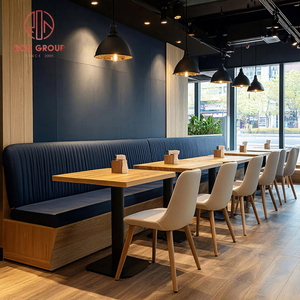
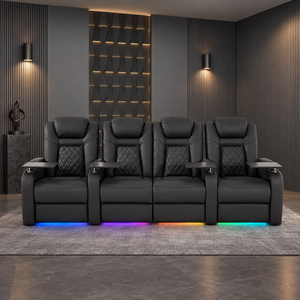
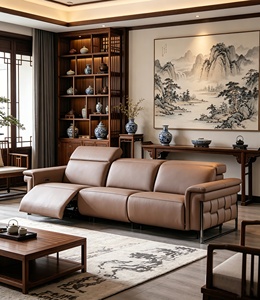
In the contemporary Russian architectural landscape—from high-density luxury residential developments in Moscow City and St. Petersburg’s Petrogradsky District to expansive hospitality projects in Sochi and Kazan—padded wall headboard panels have evolved from simple aesthetic bedroom backdrops into multi-functional architectural acoustic components. As an established OEM manufacturing facility specializing in custom upholstered structural panels, we design and produce tailored wall panel systems designed specifically to satisfy the strict structural, acoustic, and thermal performance mandates of the Russian interior design and construction sector.
Building practices across the Russian Federation frequently utilize heavy reinforced concrete monolithic skeletons or brick-and-mortar envelopes. While structurally resilient, these materials inherently transmit low-frequency impact noise and exhibit high thermal mass, which can create cold radiation spots along exterior-facing perimeter walls during extreme winter months (where temperatures regularly drop below -25°C). Our custom-engineered OEM padded wall panels integrate high-density sound damping cores, thermal barrier backings, and frost-tolerant structural upholstery materials to provide significant information gain for interior contractors, procurement specialists, and architectural studios.
Urban apartment acoustics in major Russian cities require effective isolation between adjacent living units and master bedrooms. Our OEM acoustic headboard panels are engineered to act as resonant acoustic absorbers. By layering variable-density open-cell polyurethane foam with acoustic felt membrane backings, our wall panels achieve a Sound Absorption Coefficient (NRC) ranging from 0.75 to 0.85 across middle-to-high frequency bands (500 Hz – 4000 Hz). This effectively dampens echo, reduces sound transmission through concrete partition walls, and enhances sleep hygiene in high-density urban residential buildings.
Multi-layer structural assembly acts as a warm thermal barrier against cold external concrete masonry walls, maintaining ambient surface warmth for bed headboard contact areas.
Upholstery fabrics and core foams treated with non-toxic flame retardants matching Federal Law No. 123-FZ (Technical Regulations on Fire Safety Requirements) and GOST 30244-94.
CNC-milled interlocking cleats, magnetic mounting tracks, and hidden steel Z-bar bracket hardware for rapid on-site installation by Russian fitting contractors.
Precision manufacturing of custom OEM padded wall panels requires meticulous raw material selection. Below is an exhaustive technical specification matrix outlining the structural components engineered specifically for contract durability and high-end residential aesthetics in the Russian market.
| Component Layer | Standard OEM Material | Technical Specification | B2B Customization Options |
|---|---|---|---|
| Base Substrate | E0 Grade Hardwood Plywood / CARB P2 MDF | Density: 720-780 kg/m³; Moisture Content: 6-8%; Formaldehyde Emission < 0.05 ppm | Fire-rated Marine Plywood, Lightweight Aluminum Honeycomb Board |
| Acoustic Core Cushion | High-Resilience Polyurethane (HR Foam) | Density Range: 35 kg/m³ to 50 kg/m³; Indentation Force Deflection (IFD): 30-45 lbs | Visco-elastic Memory Foam Layer, Rebonded High-Density Acoustic Foam |
| Fire-Retardant Interliner | Non-woven Aramid Fiber / Calico Barrier | Weight: 120-180 g/m²; Meets BS 5852 Source 0/1/5 and Russian Technical Regulation TP 043/2017 | Waterproof TPU Membrane, Anti-static Shielding Interlining |
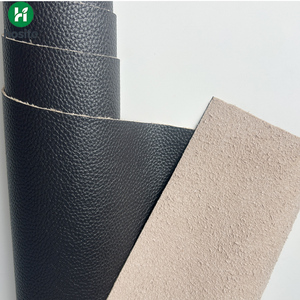
| Upholstery Face Material | Contract Velvet, Italian Grain Leather, PU Eco-Leather | Martindale Rub Test: 40,000 to 100,000+ Cycles; Colorfastness to Light: Grade 4.5+; Cold Crack: -30°C | Stain-resistant Nano-coating, Antibacterial / Anti-mold Leather Finish |
| Mounting Hardware | Extruded Aluminum French Cleats & Z-Bars | Tensile Strength: 240 MPa; Load Capacity: > 120 kg per meter of wall rail system | Integrated LED Profile Channels, Concealed Power Outlet Cutouts |
Interior design directions in Russian metropolitan centers demand a refined synthesis of classical grandeur and sleek modern minimalism. Our OEM factory produces custom wall panel modules configured to match distinct localized design styles:
1. Neoclassical & Modern Luxury (Moscow / St. Petersburg Estates): Deep vertical fluting, diamond channel tufting, and brass or gold PVD stainless steel inlay strips integrated into plush velvet or full-grain aniline cowhide leather wall panels. These setups are extensively requested for master suites in luxury country houses (Dachas in Rublyovka) and high-end residential complexes.
2. Architectural Geometric Minimalism: Large-format rectangular and asymmetrical polygon padded tiles covered in matte, micro-textured eco-leather or wool-blend felt. Popular in contemporary lofts, executive offices, and modern boutique hotel headwalls in Yekaterinburg and Novosibirsk.
3. Integrated Hospitality Wall Headboards: Full-span structural padded backdrops featuring built-in nightstand anchor cutouts, ambient warm LED backlighting channels, and flush-mounted European/Russian standard power socket (Type F Schuko) cutouts for seamless hotel guestroom installation.
As a specialized direct furniture and architectural panel manufacturer, our facility operates with flexible production lines that bridge the gap between custom artisanal craftsmanship and high-volume industrial output. We eliminate intermediary markups, guaranteeing factory-direct pricing paired with uncompromised quality assurance.
Every order is drawn in CAD/CAM software prior to automated CNC cutting. Change height, panel width, or thickness without tooling surcharges.
Access over 500+ upholstery options including frost-resistant synthetic leathers, fire-retardant commercial velvets, and top-grain Italian hides.
Rigorous 5-stage quality inspections. Packed in heavy-duty reinforced wooden crates designed to endure long-haul cross-border transport.
Full technical documentation support for customs clearing into Russia, including Material Safety Data Sheets (MSDS) and certificate dossiers.
Below are authoritative answers to critical procurement, logistical, and technical questions commonly raised by Russian interior designers, furniture wholesalers, and general contractors.
We specifically formulate our adhesives, upholstery backings, and polyurethane foams to remain stable between -40°C during transport and +35°C in indoor heated environments. Our eco-leather materials undergo rigorous cold-crack tests (-30°C to -40°C) to ensure the surface will not micro-fracture or peel during transit through Siberian transit routes or storage in unheated warehouses.
We supply fire-retardant upholstery fabrics and flame-resistant foams that comply with international standards (BS 5852, CAL 117) as well as the key parameters specified in Russian Federal Law No. 123-FZ (TP 043/2017). Test reports for flame propagation, smoke generation index, and toxicity index can be provided upon request for project submittals.
Yes. Our engineering team converts your architectural elevation drawings into precise shop drawings. We pre-cut internal sub-frames and upholstery layers for power outlets (Schuko sockets), reading light junction boxes, and HVAC controls, ensuring smooth plug-and-play assembly on site in Russia without requiring manual trimming.
We offer flexible shipping terms including FOB, CIF, and DDP (Delivery Duty Paid) through consolidated sea-rail multimodal transport (e.g., via Vladivostok or St. Petersburg ports) or direct overland rail freight through Manzhouli/Zabaykalsk to Moscow logistics hubs. Standard manufacturing lead time is 15-25 days depending on volume, with transit times averaging 18-28 days.
For solid concrete or brick walls typical in Russian construction, we supply heavy-duty aluminum French cleats with masonry expansion anchors. For interior plasterboard/drywall partitions, we provide lightweight engineered Z-bar track systems and high-tack industrial velcro backing panels that distribute total weight evenly without structural wall strain.
Yes. We dispatch comprehensive architectural sample boxes containing substrate cutaways, HR foam core samples, metal inlay trims, and full fabric/leather swatch books directly to your office via express international courier service prior to full contract production.
To ensure flawless installation and preserve the long-term aesthetic and structural integrity of our OEM custom padded wall headboard panels in commercial or high-end residential environments, we recommend adhering to the following standardized installation and care protocols:
Phase 1: Wall Inspection & Moisture Testing: Verify that the target mounting surface is structurally sound, plumb within a ±2mm tolerance over a 3-meter span, and completely dry. Moisture content of concrete or plaster walls should not exceed 4% RH to prevent trapped dampness behind wall panels.
Phase 2: Cleat & Rail Laser Leveling: Utilizing a multi-line green laser level, mark out the horizontal base centerline. Secure the extruded aluminum French cleat tracks to the wall substrate at designated height intervals, utilizing wall-appropriate anchors spaced no further than 400mm apart.
Phase 3: Interlocking Panel Engagement: Align the corresponding reverse-cleats pre-installed on the back of our OEM padded headboard tiles with the wall rails. Lower each panel firmly into position, checking for tight butt-joints between tiles. Integrated magnetic side tabs auto-align adjacent panels to eliminate visible seam gaps.
Phase 4: Electrical & Trim Integration: Pull electrical wiring through the pre-engineered panel cutouts and mount faceplates for switches, reading lights, or USB charging ports. Insert decorative stainless steel or brass divider strips into designated panel channels if specified in the design plan.
For routine maintenance in high-traffic hotels or executive residences, clean micro-fiber cloths dampened with warm water and mild neutral soap are recommended for eco-leather and coated fabrics. For velvet and woven textile panels, periodic vacuuming with a soft brush attachment prevents dust accumulation within fabric fibers. Avoid harsh solvent-based cleaners or abrasive pads that may compromise the surface finish or flame-retardant coating.