Engineered for commercial hospitality fit-outs, luxury private residences, and high-density executive spaces across Metropolitan Tokyo.
As a specialized handcrafted decor accessories manufacturer and exporter serving Tokyo, our production paradigm operates at the intersection of artisanal joinery and stringent structural engineering. Supplying interior architects, commercial specifiers, and procurement agencies across Tokyo, Yokohama, and the broader Kanto urban zone requires an acute understanding of Japan’s distinct architectural landscape. Urban density, seismic resilience mandates, strict indoor air quality standards (JIS/JAS), and refined aesthetic sensibilities demand furniture solutions that transcend mass-market off-the-shelf offerings.
Standard commercial furniture imported into Japan frequently fails due to two key vectors: dimensional rigidity and climatic structural degradation. In districts such as Minato-ku, Shibuya, and Chiyoda, floor plans in both luxury residential towers and commercial boutique spaces feature strict spatial thresholds, narrow access corridors, and precise millimeter-range alcoves. Furthermore, Japan’s seasonal shift—from hot, humid summers to dry, heated winter interiors—causes poorly treated timber to warp, check, or split. Our dedicated manufacturing facilities engineer every frame from kiln-dried, stress-tested hardwood maintained at a strict 8% to 10% moisture equilibrium, ensuring absolute dimensional stability across Kanto's climate cycles.
Safety and environmental compliance represent non-negotiable prerequisites for specifying furniture in public hospitality, corporate head offices, and high-end residential projects throughout Tokyo. Our export-grade manufacturing protocols rigorously align with the Japanese Industrial Standards (JIS A 1460). We deploy zero-VOC, formaldehyde-free waterborne adhesives and eco-certified PU leather formulations that meet the prestigious F★★★★ rating, guaranteeing ultra-low chemical emissions for enclosed interior environments.
In addition, contract furniture destined for Tokyo hotels, public lounges, and high-rise commercial structures must comply with the Japan Fire Defense Law (Article 8-3) regarding flame-retardant interior materials. We supply high-resilience cold-cured polyurethane foam cores treated with non-toxic flame retardants, paired with top-grain leathers and woven textiles certified under international CAL 133 and BS 5852 standards, facilitating smooth approval processes with Japanese municipal building inspectors.
| Engineering Parameter | Mass-Market Commercial Furniture | Our Tokyo Export-Grade Standards |
|---|---|---|
| Timber Frame Moisture Content | 14% - 18% (Prone to warping in dry winter heating) | 8% - 10% Kiln-Dried (Sealed for Japan climate equilibrium) |
| Formaldehyde Emission Level | E1 / E2 Standard (Detectable VOC off-gassing) | JIS F★★★★ Equivalent (≤ 0.3 mg/L desiccation test) |
| Joinery Construction | Stapled chipboard & soft pine blocks | Dowelled, double-corner blocked solid tropical hardwood |
| Upholstery Resilience | 24-30 kg/m³ low-density slab foam | 45-55 kg/m³ high-resilience cold-cured foam + memory layer |
| Logistics & Elevator Fitment | Rigid bulk dimensions; high risk of delivery failure | Knock-down sub-assemblies engineered for Tokyo freight lifts |
How our customized seating, structural leatherwork, and accent decor integrate into Tokyo's premiere commercial and residential real estate.
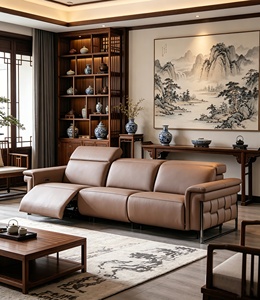
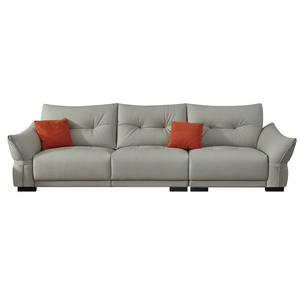
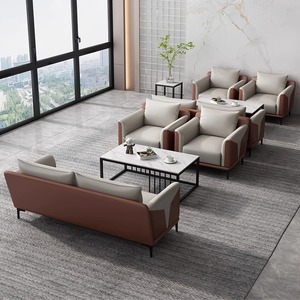
In high-end retail venues along Chuo-dori and Omotesando, customer dwell time correlates directly with seating comfort and tactile luxury. Our full-grain cowhide three-seater sofas and sleek accent armchairs provide the luxurious aesthetic required by international luxury fashion houses. Custom low-profile bases maximize sightlines across boutique floors while providing ergonomic resting spaces for high-net-worth clientele.
Tower residences in Roppongi Hills, Toranomon, and Akasaka demand refined, space-optimized furniture. Our L-shaped modular leather sectionals feature shallow depth profiles specifically dimensioned to harmonize with Japanese floor-to-ceiling glass fenestration without obstructing panoramic city views. Removable cushion covers and zero-gravity reclining mechanisms bring hotel-grade luxury into private urban residences.
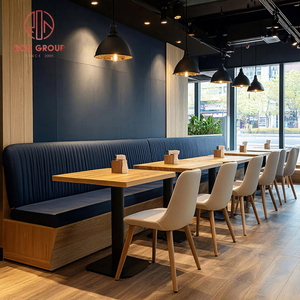
Tokyo’s vibrant culinary scene requires dining furniture that withstands constant daily rotation. Our modern cafe sofa booths paired with pale wood rectangular tables combine stain-resistant, anti-microbial PU upholstery with heavy-duty internal wooden skeletons. Engineered for tight restaurant footprints, these integrated booths maximize seating density while maintaining guest privacy and acoustic dampening.
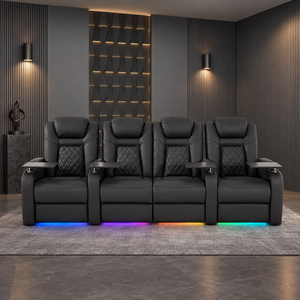
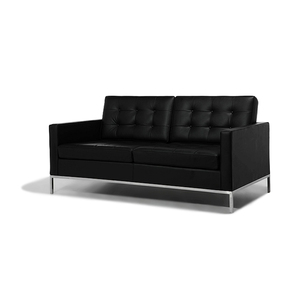
Financial institutions and multinational headquarters in Marunouchi and Otemachi require executive seating that projects understated authority. Our contemporary black leather modular sectionals utilize clean architectural lines, concealed power management ports, and high-density memory foam support tailored for extended executive meetings and VIP reception areas.
Evaluating user search intent and architectural specifier behavior in Greater Tokyo reveals three decisive macro trends redefining commercial decor procurement:
Tokyo designers are increasingly shunning sterile minimalism in favor of warm, tactile organic textures—a movement often termed Japandi (Japanese-Scandinavian synthesis). Our factory integrates pale ash, white oak, and natural teak timber skeletons with rich matte leather and textured upholstery. By maintaining the natural character of raw materials while enforcing industrial structural integrity, our decor accessories and seating bridge the gap between traditional Japanese craft craftsmanship (Monozukuri) and modern commercial utility.
A frequent nightmare for logistics managers in Tokyo is the failure of large sofa sectionals or dining tables to fit into standard Japanese freight elevators (often restricted to 2.1-meter door heights and narrow weight capacities). As an experienced exporter to Japan, we utilize a Knock-Down (KD) structural engineering framework. Internal hardwood skeletons are built with precision steel-to-steel connector plates, allowing large 3-seater and sectional sofas to be easily unbolted, transported via compact residential lifts or stairwells, and reassembled on-site without sacrificing frame rigidity.
With Japanese corporate real estate prioritizing ESG (Environmental, Social, and Governance) targets, disposable commercial furniture is rapidly being phased out. Specifiers require pieces designed for multi-year lifecycles. Our custom sofas feature detachable cushion cores, accessible zipper systems, and modular structural parts. Should a single seat module experience wear in a high-traffic hotel lobby, it can be individually re-upholstered or replaced without requiring total furniture disposal.
From single-piece CAD custom drawings to full-container commercial fulfillment, our facility delivers end-to-end reliability.
Unlike catalog importers who force rigid dimensional templates, our workshop builds directly from your CAD layout drawings. Overall width, seat depth, foam firmness grade, leg finish, and stitch detailing are modified per order without re-tooling surcharges.
Because production takes place under a unified manufacturing umbrella, frame joinery, cushion filling, and cover tailoring are verified by the same master craftspeople. Pre-shipment video inspections and dimensional verification reports are provided before container packing.
We coordinate fumigation, ISPM-15 wood palletizing, customs documentation, and direct sea transport into Tokyo Port (Ohi/Aomi Container Terminals) or Yokohama Port. Crating is moisture-sealed with desiccants to safeguard finish integrity during ocean transit.
Addressing key operational, regulatory, and logistical considerations for furniture export into Japan.
Every order undergoes dimensional auditing against your site's access metrics. For high-rise residential towers and office complexes in Tokyo, we construct larger seating units with modular internal metal fasteners or detachable leg/arm structures, ensuring seamless transport through standard Japanese elevators (typically 2,100mm H x 900mm W).
Yes. All solid timber frames undergo kiln-drying to achieve under 10% moisture content and are treated in compliance with ISPM-15 international phytosanitary standards. Official fumigation and origin certificates are attached to all shipping documentation for smooth clearance at Tokyo Port Customs.
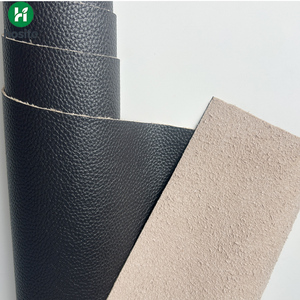
Absolutely. We ship physical sample binders directly to design studios and procurement offices in Tokyo via express air courier (DHL/FedEx). Samples include top-grain leather swatches, PU finish options, timber stains, and high-resilience foam cross-sections.
Custom manufacturing takes 15 to 25 calendar days depending on order volume and custom material sourcing. Direct sea freight from our export hub to Tokyo or Yokohama Port requires approximately 12 to 16 days, resulting in a total timeline of 4 to 6 weeks from CAD approval to port arrival.
Our genuine leathers receive breathable top-coat protective sealing that prevents moisture absorption during Tokyo’s humid June-August tsuyu rainy season, while resisting cracking during dry winter months. Synthetic upholstery materials are treated for mold resistance and UV stability.
Yes. We utilize water-based, non-toxic lacquer coats and zero-formaldehyde adhesives that align with JIS F★★★★ emission criteria (≤ 0.3 mg/L). This ensures immediate safety for indoor installation in residential, hospital, and early-childhood daycare commercial projects.