Brazilian Architectural Dynamics & Contract Seating Sourcing
Brazil’s interior design and architectural landscape is world-renowned for its seamless integration of mid-century modernist principles, organic tropical textures, and functional spatial fluidity. Modern Brazilian projects—spanning corporate headquarters along São Paulo’s Avenida Faria Lima, luxury eco-resorts in Trancoso, Bahia, and compact luxury residential towers in Curitiba—increasingly rely on versatile, soft-contract furniture modules such as handcrafted ottoman poufs to optimize open-plan layouts.
Information Gain Insight: Sourcing upholstered poufs and accent seating for the Brazilian market requires balancing strict import customs regimes (Siscomex/RADAR) with environmental resilience against high relative humidity (RH > 85% in coastal regions) and high solar irradiation.
Macro Trends Driving Demand for Imported Handcrafted Poufs in Brazil
As commercial real estate developers in Brazil pivot toward multi-functional, adaptive spaces, the traditional rigid lounge suite has evolved into modular seating ecosystems. Ottoman poufs have transitioned from peripheral accessories to core spatial anchors. Key market forces include:
- Hospitality Boom in the Northeast (Nordeste): Rapid expansion of boutique beach resorts, eco-lodges, and luxury pousadas in Ceará, Pernambuco, and Bahia has created soaring demand for weather-resistant leather, woven rattan, and heavy-duty fabric ottomans suitable for indoor-outdoor transition zones.
- Urban Densification & Compact Luxury: In major metros like São Paulo and Rio de Janeiro, high-end residential apartments feature expansive open living rooms where low-profile ottomans preserve sightlines while adding versatile seating capacity.
- Corporate Wellness & Agile Workspaces: Multinational offices in Brazil are integrating lounge-style breakout pods equipped with modular cubic and cylindrical poufs to foster collaborative work cultures.
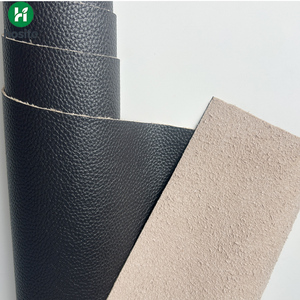
- Material Convergence: Brazilian designers favor rich organic leathers paired with solid wood bases. Export manufacturers capable of supplying full-grain cowhide upholstery backed by robust hardwood skeletons gain a significant competitive edge.
Technical Specification Matrix for Brazil-Bound Soft Furniture Exports
To successfully serve commercial buyers, procurement managers, and furniture wholesalers serving the Brazil market, manufacturers must meet stringent material benchmarks:
| Component Parameter |
Export Technical Specification |
Benefit for Brazilian Market |
| Timber Frame Structure |
Kiln-dried Indonesian Mahogany / Teak (MC 8% - 12%) |
Prevents wood expansion, checking, and mold growth in humid coastal climates. |
| Upholstery Options |
Top-Grain Cowhide / Eco-Friendly PU Leather / High-UV Microfiber |
Resists UV discoloration and skin oil accumulation; offers 100k+ Martindale rating. |
| Foam Cushioning Core |
High-Resilience (HR) Polyurethane Foam (38 - 45 kg/m³) |
Prevents seat sagging under continuous public use in hotel lobbies and cafes. |
| Joinery Construction |
Mortise & Tenon with Corner Blocking & Dowelled Stress Points |
Ensures long-term structural integrity during heavy commercial contract use. |
| Packaging Standard |
5-Ply Corrugated Outer Carton + PE Foam + Desiccant Packs |
Protects against ocean freight humidity and transit vibration through Port of Santos. |
Localized Application Scenarios Across Brazilian Projects
Understanding how soft seating integrates into Brazilian floor plans is essential for trade buyers specifying handcrafted ottoman poufs. Our export engineering team collaborates directly with specifiers to customize furniture according to localized micro-environments:
1. Corporate Headquarters & Coworking Hubs (São Paulo & Brasília)
In high-density office towers along Avenida Paulista and Faria Lima, corporate space planners prioritize spatial agility. Low-slung square and cylindrical leather poufs serve as auxiliary seating in executive boardrooms, informal breakout areas, and elevator lobbies. Black, cognac, and deep espresso full-grain leather finishes match corporate aesthetic standards while offering low-maintenance cleanability.
2. Luxury Coastal Resorts & Boutique Hotels (Bahia, Florianópolis, Paraty)
Hospitality venues in Brazil require furniture that withstands salty sea air, elevated ambient humidity, and intense sunlight. Our specialized exterior and semi-covered lounge poufs utilize anti-fungal PU leather and solution-dyed acrylic fabrics over water-drainage reticulated foam cores. Placed around swimming pool decks, open-air bar lounges, and guestroom balconies, these poufs maintain their structural tactile appeal season after season.
3. Urban Residential Pent-Houses & High-End Villas
Brazilian residential architecture frequently features seamless transitions between interior living rooms and exterior *varandas gourmet* (gourmet balconies). Large geometric ottoman poufs act as dual-purpose furniture pieces—functioning as footrests, central coffee table platforms when topped with wooden trays, or extra guest seating during social gatherings.
4. High-Traffic Retail Outlets & Luxury Shopping Malls
Premier shopping centers like Shopping JK Iguatemi and MorumbiShopping in São Paulo require robust seating in fitting rooms, shoe salons, and public concourses. Contract-grade leather poufs engineered with heavy-duty internal corner blocks withstand thousands of daily seating cycles without frame distortion.
What are the recommended NCM / HS Codes for importing handcrafted ottoman poufs into Brazil?
Ottoman poufs and upholstered accent seating are generally classified under NCM Code 9401.61.00 (Upholstered seats with wooden frames) or 9401.80.00 (Other seats). Precise tariff classification should be verified with your Brazilian despachante aduaneiro (customs broker) prior to shipment to ensure compliance with Siscomex declarations.
How do you handle documentation for Brazilian customs clearance (RADAR / Siscomex)?
We supply complete export documentation sets tailored to Brazilian import regulations, including detailed Commercial Invoices (stating full NCM descriptions, unit prices, and currency), Packing Lists with net/gross weights and cubic meter volumes, Bills of Lading (B/L), and Fumigation Certificates when wooden components are incorporated.
What are the typical sea freight transit times and destination ports for Brazil shipments?
Direct ocean freight shipments originate from Jakarta (IDTPP) or Surabaya (IDSUB) ports. Transit times to the Port of Santos (São Paulo) typically range between 32 to 42 days depending on vessel routing. We also arrange shipping to Paranaguá, Rio de Janeiro, and Salvador for regional projects.
Can you manufacture poufs according to custom dimensions, CAD drawings, and fabric swatches?
Yes. As a pure made-to-order manufacturing workshop, we specialize in OEM/ODM production. You can submit CAD drawings, 3D models, or target material samples. We produce sample prototypes for sign-off prior to full container production runs.
How do you protect leather and fabric poufs against moisture and mold during long ocean transit?
Every piece is enclosed in sealed PE protective wrap along with industrial silica gel desiccant packs. Outer cartons are sealed with moisture-resistant tape, and export containers are lined with container desiccants to prevent container rain during transit across different climate zones.
What are your minimum order quantities (MOQ) and payment terms for Brazilian wholesale buyers?
Our standard MOQ is 20 units per item design, with a minimum order total of one 20ft container (LCL options are available for ongoing contract clients). Standard payment terms are T/T (30% deposit upon order confirmation, 70% balance against presentation of Bill of Lading copies) or Irrevocable Letter of Credit (L/C at sight).